Decode Cat Body Language: Tail, Ears, Eyes & Posture
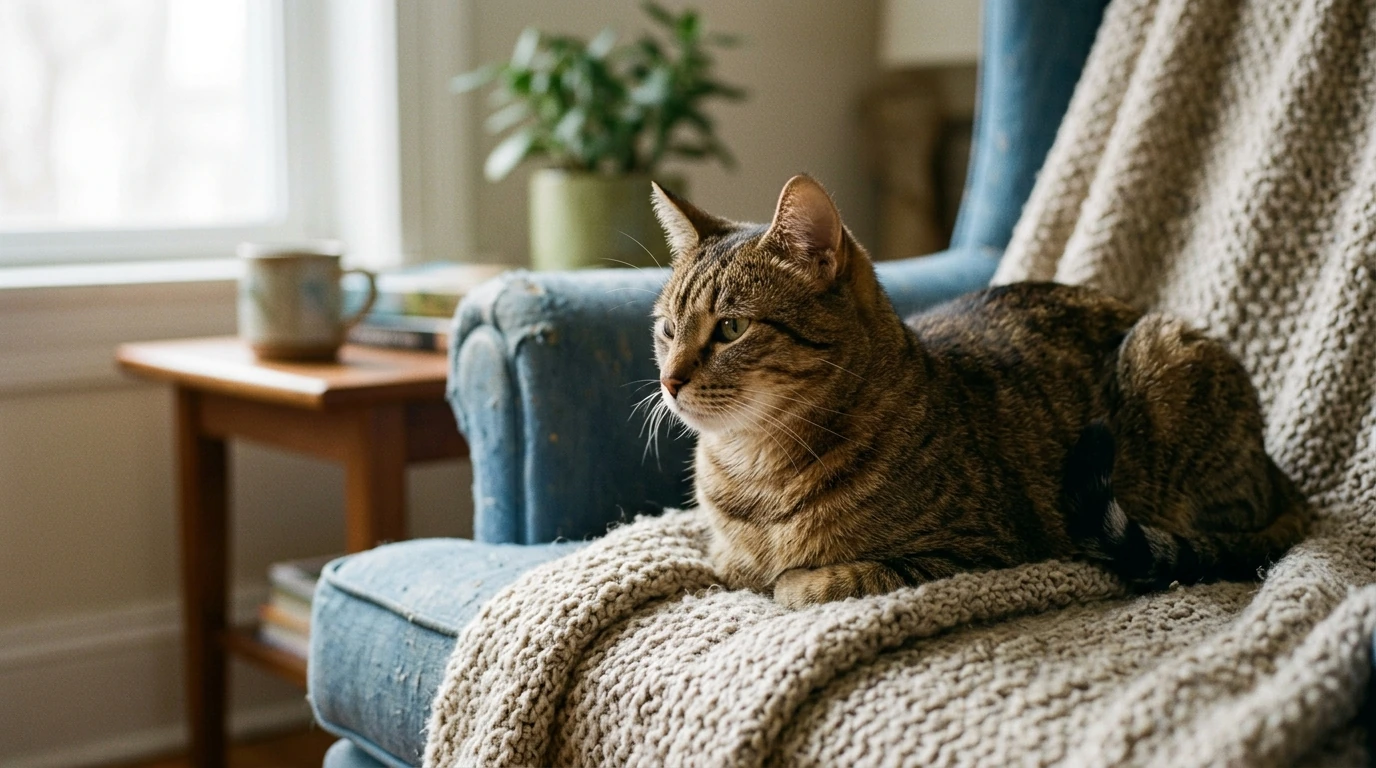
How to understand your cat’s body language?
Understanding your cat’s body language comes down to reading the whole “picture” at once: tail position, ear angle, eyes, posture, and even how close your cat chooses to be. A single signal can be misleading, but several signals together usually tell a clear story about comfort, curiosity, or stress.
Start with the tail. A tail held upright like a flag often signals a friendly, confident mood, especially if the tip has a soft curl. A puffed-up tail or one that lashes sharply side to side can mean fear or agitation. Slow, gentle tail movement may show focus or mild uncertainty, while a tucked tail often suggests your cat feels threatened.
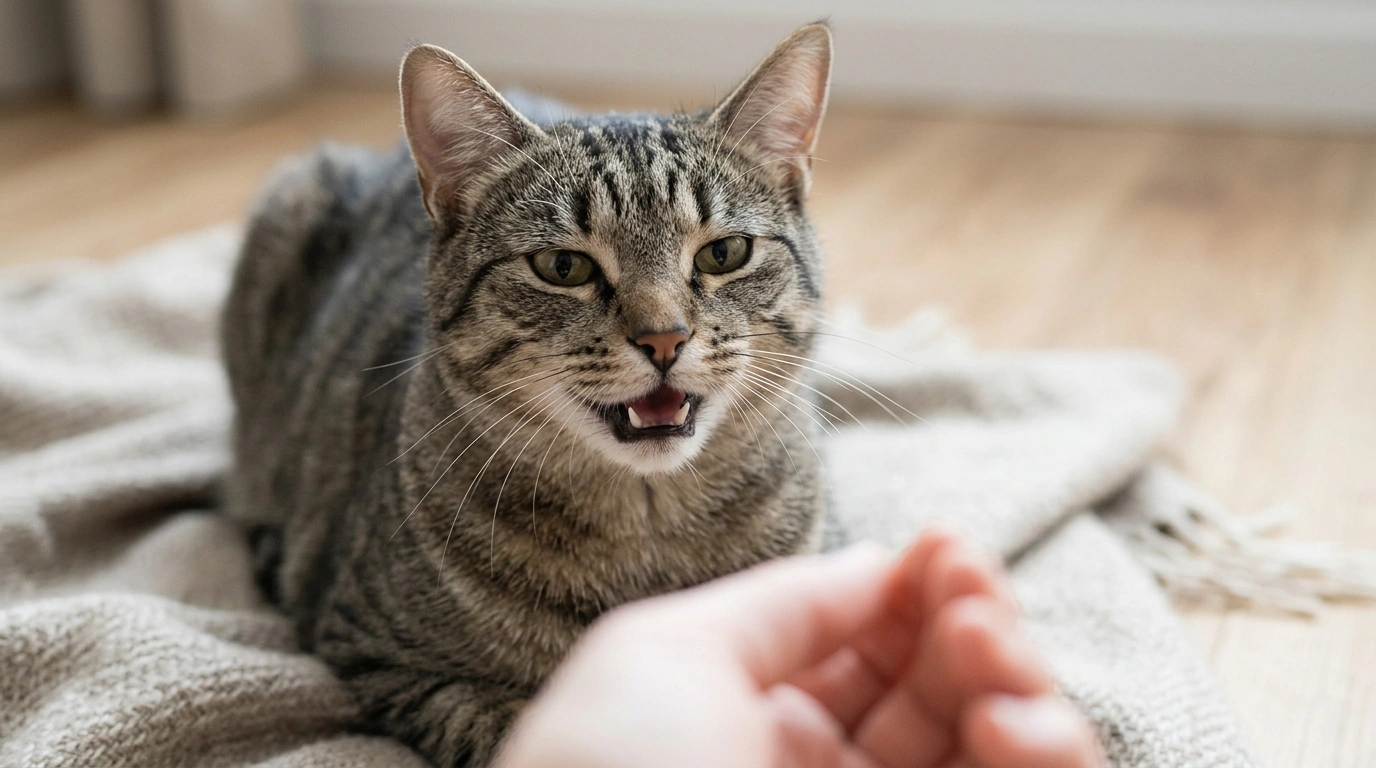
Next, check the ears and eyes. Forward, relaxed ears usually mean interest, while ears pinned sideways or flat against the head are a strong “back off” sign. Soft eyes and a slow blink are classic indicators of trust; returning a slow blink can help reassure an unsure cat. Wide, unblinking eyes with enlarged pupils can show excitement, fear, or overstimulation, so pair it with the rest of the body.
Body posture fills in the context. A loose, stretched-out cat is typically at ease. A crouched body with tense muscles can mean your cat is ready to bolt or defend itself. If your cat rolls onto their side or back, it may be a sign of comfort, but it’s not always an invitation for belly rubs—many cats will grab and kick if they feel overhandled.
Finally, consider the “distance message.” A cat who approaches with a relaxed body is inviting interaction; a cat who turns away, freezes, or hides is asking for space. When signals look mixed, reduce stimulation: lower noise, pause petting, and let your cat reset.
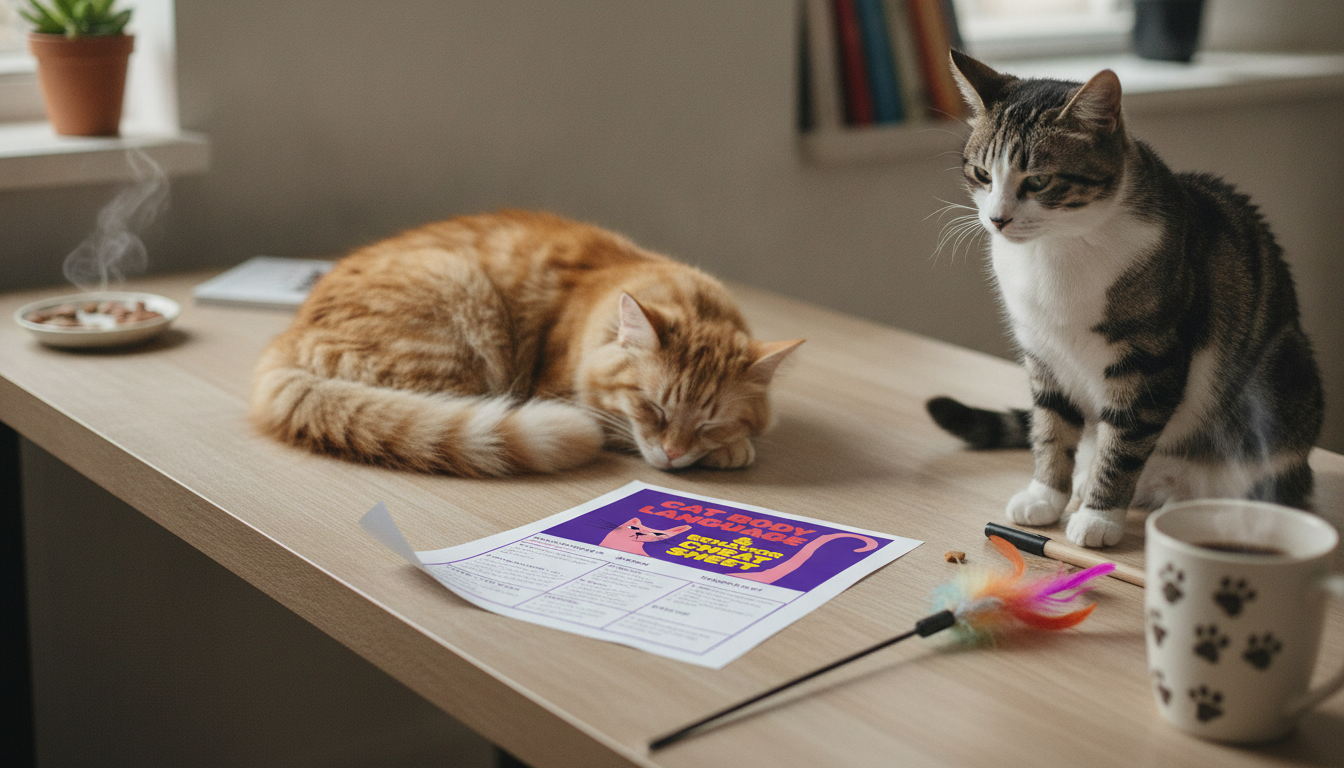
For a quick, printable reference that helps you compare signals at a glance, see the full guide here: cat body language cheat sheet and signal guide.
FAQ
What does it mean when a cat slowly blinks at you?
A slow blink usually signals comfort and trust. Many cats use it as a calm, friendly gesture, and slowly blinking back can help your cat feel safe.









Leave a comment