Cat Vocalizations Explained: Meows, Chirps & Trills
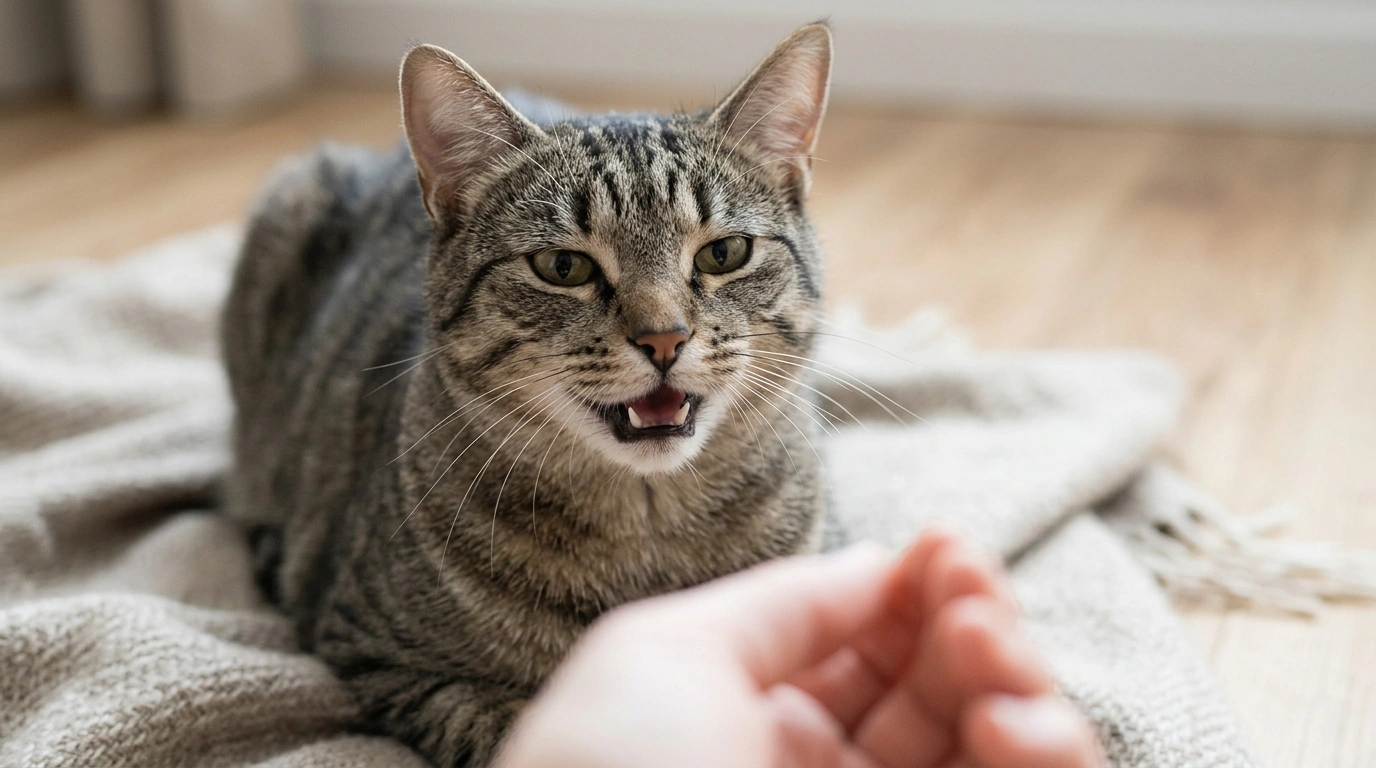
What are common cat vocalizations and what do different meows, chirps, and trills mean?
Cats “talk” with a small set of sounds that shift meaning based on context, body language, and timing. The same cat may use one meow as a greeting and the very next as a demand, so it helps to notice what happens right before and after the sound.
Meows: cat-to-human conversation
Most adult cats reserve meowing mainly for people. A short, soft meow often signals “hi” or “I’m here.” Repeated meows tend to be a request (food, a door opened, playtime). A long, drawn-out meow can indicate impatience, discomfort, or “pay attention now.” If the meow sounds lower, harsher, or more urgent than usual, check for stressors (another pet nearby, a blocked resource like the litter box, or pain).
Chirps and chatters: excitement and tracking
A chirp is a quick, bright sound many cats make when they spot movement—birds outside, a toy, or something they want to engage with. Chattering (a rapid teeth-clicking sound) commonly appears when a cat watches prey they can’t reach. It’s often a mix of excitement and frustration, and it can be a cue to redirect energy into a wand toy session.
Trills: friendly hello and “follow me”
Trills (a rolling “brrr” sound) are typically warm and social. Many cats trill when greeting a favorite person or another cat they’re comfortable with. A cat may also trill while walking away as an invitation to follow—toward food, a sunny window, or a preferred hangout spot.
Purring, hissing, and yowling: the bigger signals
Purring usually points to comfort, but cats may also purr when anxious or in pain as a self-soothing behavior. Hissing and growling are clear distance-increasing warnings; give space and reduce triggers. Yowling (loud, extended vocalizing) can mean territorial stress, mating behavior in unspayed/unneutered cats, or medical discomfort—especially if it’s new.
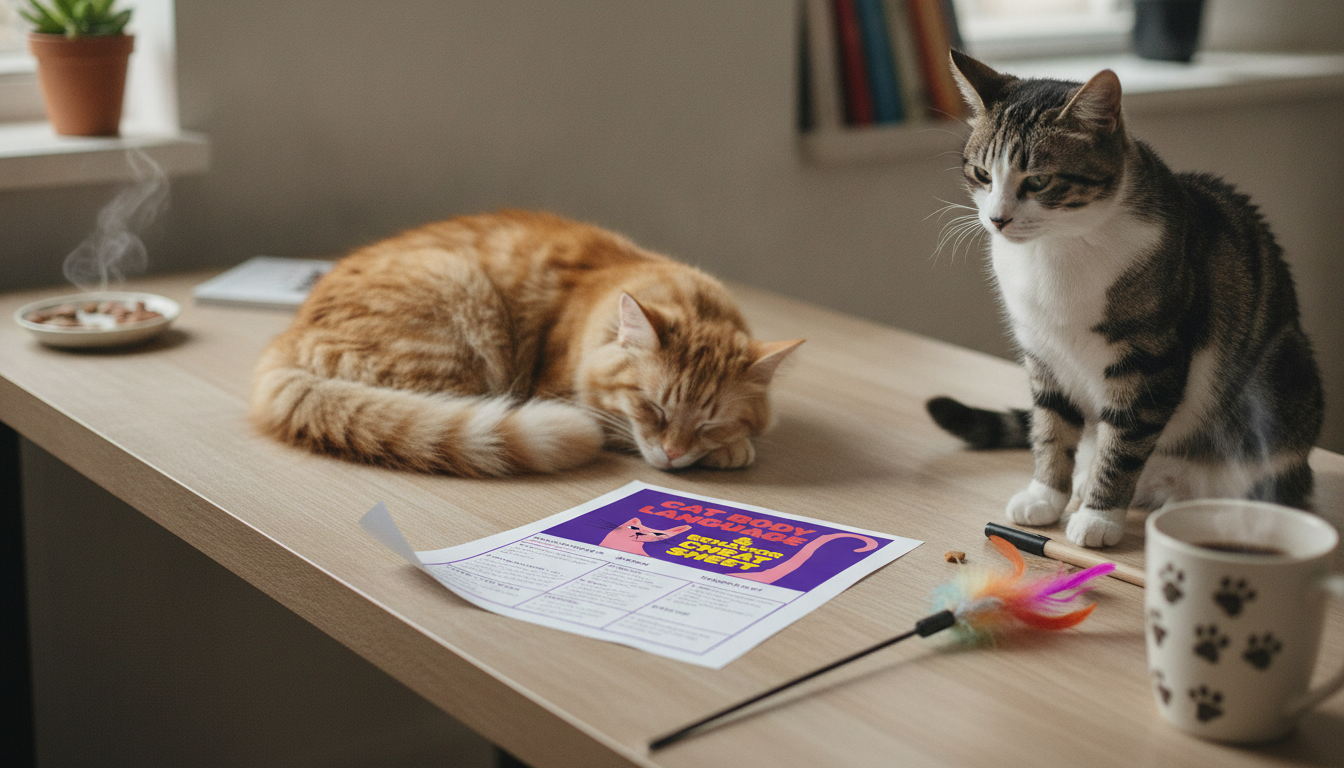
To connect vocal cues with what your cat is “saying,” pair the sound with ears, tail, posture, and eyes. For a quick, visual reference, see the full guide: Printable Cat Body Language Cheat Sheet: Signals & Meows.
FAQ
Why does my cat meow at night?
Night meowing often comes from boredom, a shifted feeding routine, stress, or age-related changes. If it’s sudden, intense, or paired with litter box changes, schedule a vet check to rule out pain or illness.










Leave a comment