Printable Couples Conflict Workbook for Calm, Clear Talks

Conflict-Resolution Workbook for Couples: A Printable Guide to Calm Conversations, Better Listening, and Rebuilding Trust
Frequent arguments rarely come from one “bad topic” alone. More often, they grow from missed bids for connection, poor timing, unclear needs, and the stress of everyday logistics. A printable conflict-resolution workbook gives you something many couples don’t have in the heat of the moment: a shared process. Instead of trying to “talk it out” while emotions are spiking, you can slow the pace, take turns, and end with a clear next step—so a hard conversation becomes a skill-building practice rather than a recurring blowup.
Guidance from relationship research organizations emphasizes the value of respectful communication, repair attempts, and stress management as core relationship skills (see American Psychological Association, Gottman Institute, and coping resources from NIMH).
When conflict starts repeating: common patterns that keep couples stuck
Repeating arguments tend to follow recognizable loops. Spotting the pattern is often the first real “win,” because it turns the problem from “you vs. me” into “us vs. the cycle.” Common traps include:
- Escalation loops: one partner pursues (more questions, more intensity), the other withdraws (silence, shutdown), and both feel unsafe.
- Mind-reading: assumptions replace direct requests, so each person argues with what they think the other “meant.”
- Missed repair attempts: humor, softening, or a calmer tone gets interpreted as dismissal, so the attempt lands as rejection.
- The “scoreboard” effect: one issue becomes a file cabinet of past mistakes, making today’s conflict feel impossible to solve.
- Problem-solving too early: advice starts before both people feel understood, which can sound like criticism or control.
What a conflict-resolution workbook does differently than “talking it out”
A workbook doesn’t replace caring or chemistry—it replaces chaos with structure. The best printable formats make the conversation smaller, slower, and clearer:
- Creates shared structure: one topic, one goal, one conversation at a time—so you don’t try to solve the entire relationship at once.
- Builds emotional safety: ground rules for tone, pauses, and wording reduce the fear of being attacked or ignored.
- Separates facts, feelings, and needs: this turns “You never help” into a specific request that’s actually doable.
- Adds repair and accountability steps: conflicts end with a next move (not just exhaustion).
- Becomes a repeatable routine: check-ins, debriefs, and prevention plans reduce the odds of the same fight returning next week.
How to use a printable workbook as a weekly relationship practice
Consistency beats intensity. A short, predictable rhythm makes conflict feel less like an emergency and more like a shared maintenance habit.
- Start low-stakes: practice the process on something smaller (planning, chores, weekend timing) before a high-sensitivity issue.
- Set a timer (15–30 minutes): if you need more time, schedule a second round—avoid marathon talks that drain self-control.
- Use pause phrases: agree on wording that stops escalation without threatening abandonment, such as: “I’m getting overwhelmed; I want to continue after a 10-minute break.”
- Close with connection: end every session with one appreciation and one concrete next step.
- Keep pages in a folder: reviewing old worksheets helps you notice triggers, progress, and recurring themes you can prevent earlier.
Exercises that strengthen listening, reduce defensiveness, and clarify needs
Workbooks work best when they train a few core skills repeatedly. These exercises target the moments where couples typically get stuck.
Speaker–listener turns
Emotion labeling
Needs mapping (complaint → need → request)
Trigger and escalation audit
Repair script and trust rebuild plan
Quick guide: choose the right worksheet for the moment
| Situation | Best exercise | What to aim for | Done when… |
|---|---|---|---|
| Conversation keeps escalating | Pause + ground rules + timed turns | Lower intensity and stop interruptions | Both can speak without raised voices or sarcasm |
| Feeling misunderstood | Reflect-back listening (summarize + confirm) | Accurate understanding before problem-solving | Each partner can restate the other’s point fairly |
| Same argument repeats weekly | Pattern mapping (trigger → reaction → outcome) | Spot the loop and change one step | A specific “next time” plan is written and agreed |
| Trust feels fragile | Repair + trust-building commitments | Clear accountability and follow-through | A check-in date and measurable actions are set |
Rebuilding trust after a fight: a practical repair sequence
Who this workbook fits best (and when to get extra support)
Printable Conflict-Resolution Workbook for Couples: what’s included and how to get started
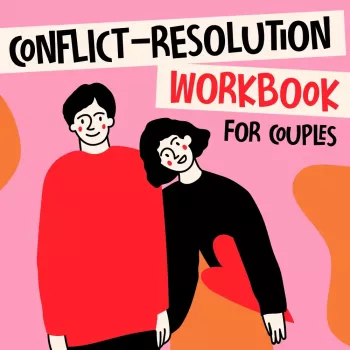
If a structured, printable approach sounds like a better fit than improvised late-night talks, start with a guided resource designed for repeat use. The Conflict-Resolution Workbook for Couples (Printable eBook) is built around listening prompts, de-escalation steps, and repair planning so you can work together (or separately, then compare notes).
For a more supportive baseline—better stress tolerance, steadier routines, and less emotional flooding—pair the communication practice with holistic self-care. The Whole You: Holistic Wellness Guide (Digital Download) can help build daily habits that make hard conversations easier to navigate.
If money arguments are part of the pattern, adding a shared plan can reduce the pressure that spills into other topics. Budgeting Like a Pro (Personal Finance eBook) supports clearer agreements and fewer recurring “we never talk about this” blowups.
FAQ
How long does it take to see improvements using a conflict-resolution workbook?
Many couples notice calmer conversations within a few sessions when they use the same structure consistently. Deeper pattern change usually takes several weeks of practice plus follow-through on the agreements you write down.
Can a printable workbook help if one partner shuts down during conflict?
Yes—timed turns, written prompts, and planned breaks can reduce overwhelm and make it safer to re-engage. Start with shorter sessions and always agree on a specific restart time after a pause so the break doesn’t feel like avoidance.
Is this a substitute for couples therapy?
No, but it can complement therapy or help motivated couples practice skills at home. Therapy is recommended for safety concerns, persistent high-conflict, betrayal trauma, or situations involving abuse.









Leave a comment