Minimalist Packing Planner: Pack Light & Stay Organized
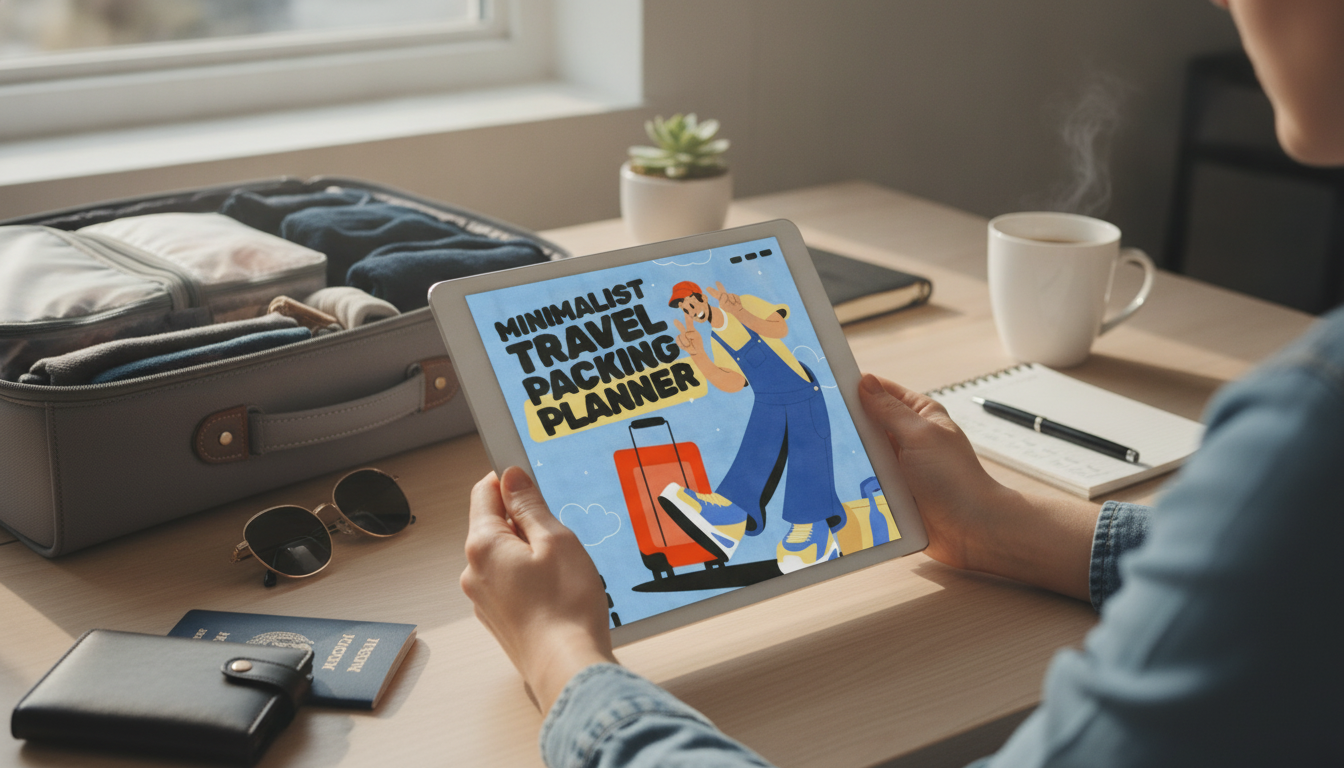
Minimalist Travel Packing Planner: Pack Light, Stay Organized, and Travel Without Stress
Packing light is less about owning fewer things and more about making clear choices before the suitcase opens. A minimalist approach reduces decision fatigue, cuts baggage hassles, and makes it easier to stay organized from departure to return. Below is a practical, repeatable system—plus a digital planner-style method—to help you pack for weekend breaks, business travel, and longer trips without the usual last-minute scramble.
What minimalist packing actually means
Minimalist packing isn’t about deprivation—it’s about packing for the trip you’re actually taking.
- Pack for real activities and weather, not “what if” scenarios. If your itinerary is meetings and dinners, skip the hiking gear.
- Choose versatile pieces that layer and mix easily. A simple palette (black/white/navy/tan, for example) makes outfits effortless.
- Limit duplicates by planning laundry and re-wear cadence. One quick wash mid-trip beats packing twice the clothing.
- Keep essentials accessible. Documents, medications, chargers, and one change of clothes should be easy to grab.
- Designate a small “comfort kit.” Comfort items are allowed—just keep them contained so they don’t multiply.
A simple 3-step system: plan, edit, then pack
1) Plan
List what you need by category (clothes, toiletries, tech, documents) and sanity-check it against your days and activities. A good list starts with the trip’s reality: weather, dress code, walking time, and any reservations.
2) Edit
Delete anything without a clear use-case. If something is single-purpose, look for a multi-use swap (a lightweight layer instead of a bulky sweater; a moisturizer that doubles as hand cream).
3) Pack
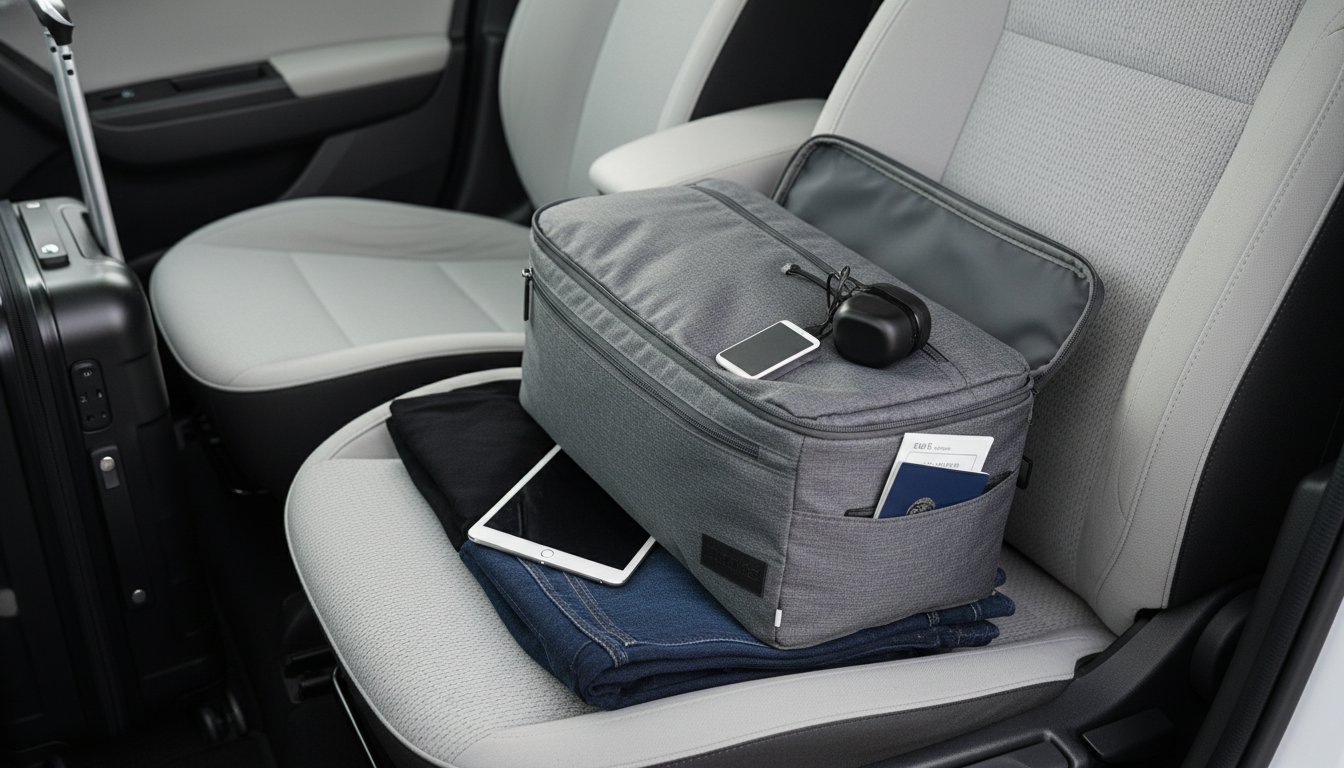
Use a consistent order so nothing gets forgotten: documents → tech → toiletries → clothing → extras. Finish with a fast “carry-on check” so critical items still arrive if a bag is delayed.
Build your base kit (the items that rarely change)
Your base kit is a small set of essentials that stays the same trip to trip—so you’re not reinventing the wheel every time.
- Documents: ID/passport, tickets/itinerary, insurance details, and secure digital copies.
- Money: primary card, backup card, small cash, and payment app setup before you leave.
- Health: daily medications, basic pain relief, bandages, and allergy meds if needed.
- Tech: phone, charger, power adapter (if applicable), earbuds.
- Comfort: empty reusable bottle, a snack, and a sleep mask or earplugs for long transits.
For airport liquid limits, keep toiletries compliant with the TSA 3-1-1 liquids rule. For international documentation basics and destination guidance, review the U.S. Department of State international travel resources.
Minimalist packing list template (adjust by trip length)
- Clothing strategy: pick a color palette and 2–3 core tops that match everything.
- Shoes: one primary pair + one compact secondary pair only if required (events, workouts, weather).
- Toiletries: decant liquids, prioritize solids when possible, and avoid “just in case” duplicates.
- Weather layering: a lightweight shell + mid-layer beats bulky single-purpose outerwear.
- Laundry plan: for 5+ days, plan a sink-wash or one laundromat stop.
Starter packing plan by trip length
| Category | 2–3 days | 4–7 days | 8–14 days |
|---|---|---|---|
| Tops | 2 | 3–4 | 4–5 |
| Bottoms | 1–2 | 2 | 2–3 |
| Underwear/socks | 3 | 5–6 | 7–8 (with laundry) |
| Sleepwear | 1 | 1 | 1 |
| Shoes | 1 | 1 (+1 if needed) | 1 (+1 if needed) |
| Outer layer | 1 | 1 | 1 |
| Toiletries | Essentials only | Essentials + refill | Essentials + refill |
How to avoid common overpacking traps
- Trap: packing for an “alternate version” of the trip → Fix: write the actual itinerary and pack only for those blocks.
- Trap: too many “maybe” outfits → Fix: pre-build 3–5 outfits and pack only pieces that fit at least 2 outfits.
- Trap: bulky toiletries → Fix: travel sizes, solids, and multi-use items (e.g., moisturizer that doubles as hand cream).
- Trap: extra tech → Fix: one charging setup (multi-port charger or one cable + adapter) and a small power bank.
- Trap: souvenir space forgotten → Fix: leave 10–15% empty capacity so you don’t need a second bag.
Use a digital packing planner to make it repeatable
A digital system is where minimalist packing becomes easier over time. Instead of starting from scratch, you refine one master list until it matches how you really travel.
- Create a master list once, then duplicate it per trip and edit down.
- Add checkboxes for “packed,” “to buy,” and “to do” (laundry, charge devices, download maps).
- Separate carry-on essentials from the main bag to reduce last-minute scrambling.
- Track what came back unused so next time’s list gets shorter.
- Save presets (beach, city weekend, business, cold weather, family trip).
If you want a ready-to-use template, the Minimalist Travel Packing Planner is designed to streamline the checklist, outfit planning, and pre-trip tasks in one lightweight digital format.
Minimalist Travel Packing Planner: what it helps streamline
Quick prep timeline (48 hours to departure)
Travel add-ons that support a minimalist routine
- Wellness routine on the go: a simple plan for hydration, movement, and sleep can make early flights and time changes easier. Consider Whole You: Holistic Wellness Guide for a structured, beginner-friendly reset you can follow anywhere.
- Keep spending as streamlined as your suitcase: setting a trip budget and tracking categories (food, transit, activities) reduces “just in case” purchases that add clutter. Budgeting Like a Pro can help you build a repeatable system before and after you travel.
FAQ
What is a good minimalist packing list?
A good minimalist packing list starts with a small base kit (documents, money, medications, and a simple tech setup), then adds a capsule wardrobe sized to your trip length, one primary shoe, decanted toiletries, and a layering system. The key is editing by your actual itinerary and using laundry plans to avoid packing duplicates.









Leave a comment