Reset Stress in Minutes: Breathing, Grounding & Focus
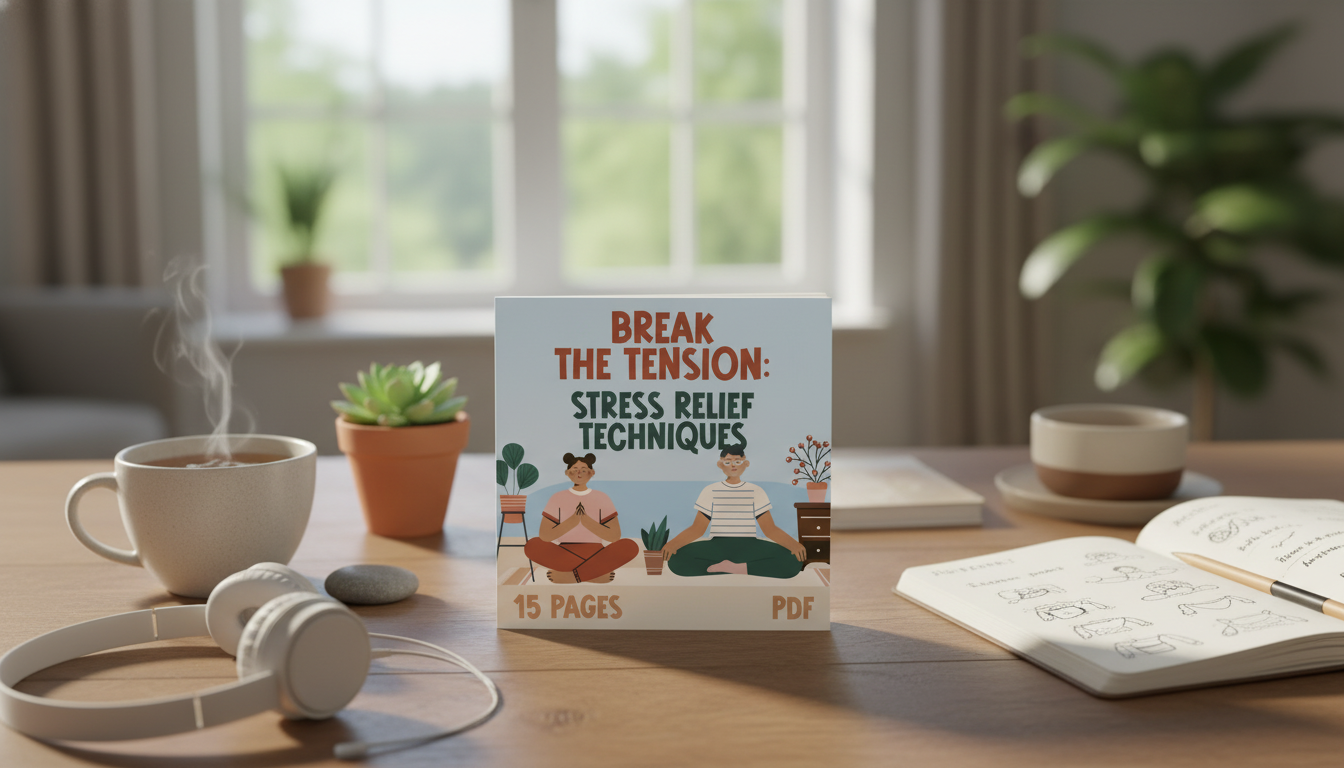
Break the Tension: Fast, Practical Ways to Reset Stress in Minutes
Stress often shows up as shallow breathing, racing thoughts, tight shoulders, and a sense of urgency. Relief doesn’t always require long sessions or perfect conditions—small “micro-resets” can lower intensity quickly and make the next decision easier. The techniques below combine breathing, quick meditations, grounding, and time management so a calmer body supports a clearer mind.
Spot the early signs of tension (before it spikes)
Stress is easier to steer when it’s still in the “early warning” phase. Use these fast cues to catch it sooner, not later.
- Body cues: clenched jaw, tight chest, stomach flutter, headache pressure, restless legs, shallow breathing.
- Mind cues: looping thoughts, catastrophizing, irritability, trouble starting tasks, “everything feels urgent.”
- Environment cues: noise overload, too many tabs/notifications, cluttered workspace, skipped meals or water.
Quick check-in (30 seconds): rate stress from 0–10, name the main trigger in one sentence, then choose one technique below for 2–5 minutes. This quick labeling can reduce the sense of chaos and give your brain a clear next move.
Breathing exercises that calm the nervous system fast
Breathing is a direct lever for shifting arousal. If stress is making you feel revved up, start here—then stack another technique afterward if needed.
- Physiological sigh (30–60 seconds): inhale through the nose, top off with a short second inhale, then long slow exhale; repeat 3–5 cycles.
- Box breathing (2–4 minutes): inhale 4, hold 4, exhale 4, hold 4; reduce counts to 3 if it feels strained.
- Extended exhale breathing (2–5 minutes): inhale 4, exhale 6–8; keep shoulders relaxed and exhale softly through the nose or pursed lips.
- Breathing with a cue: place a hand on the belly, feel it rise on inhale and fall on exhale; the tactile feedback helps attention stay anchored.
- When to skip/modify: stop if dizzy; breathe normally for a minute, then try shorter counts or a gentler pace.
| Technique | Time needed | Best for | How it feels |
|---|---|---|---|
| Physiological sigh | 1 minute | Sudden overwhelm, tight chest | Rapid downshift |
| Box breathing | 2–4 minutes | Racing mind, pre-meeting nerves | Steady and controlled |
| Extended exhale | 2–5 minutes | General tension, irritability | Softer and grounded |
For a deeper look at how stress can affect your body and why calming the system matters, the American Psychological Association’s overview is a helpful reference.
Quick meditations for busy moments (1–7 minutes)
Micro-meditations work best when they’re simple and repeatable. The goal isn’t a perfect blank mind; it’s a small shift in attention that reduces reactivity.
- One-minute focus reset: set a timer, feel the contact points (feet, seat, hands), and count 10 slow breaths.
- Noting practice (3 minutes): silently label what’s happening—“thinking,” “planning,” “worrying,” “hearing”—then return to the breath.
- Compassion break (2–5 minutes): acknowledge “this is hard,” remind “stress is human,” offer a supportive phrase like “may I be steady right now.”
- Mini body scan (5–7 minutes): move attention from forehead to jaw, shoulders, chest, belly, hips; soften each area by 5%.
- Make it stick: pair with a routine trigger (before email, after lunch, before commuting).
If you want an evidence-based snapshot of meditation’s effectiveness and safety, the National Center for Complementary and Integrative Health provides a clear overview.
Grounding techniques to interrupt spirals
Grounding brings attention back to what’s real and immediate, which helps cut through mental “what if” loops. Choose one and slow it down by 10–20%—speed can mimic stress.
- 5-4-3-2-1 senses: name 5 things seen, 4 felt, 3 heard, 2 smelled, 1 tasted; pause between categories.
- Temperature shift: hold a cool drink, splash cool water on wrists, or step outside for fresh air as a pattern break.
- Orienting: slowly look left to right and name 3 neutral objects; remind yourself, “Right now, I’m safe enough to pause.”
- Muscle release: tense fists for 5 seconds, release for 10; repeat with shoulders, then legs.
- If stress is social: plant both feet, lengthen the exhale, and soften the gaze to reduce the threat response.
Time management tips that reduce stress at the source
Some stress is physical, but a lot of it comes from overload and unclear priorities. These tools reduce “mental tabs,” so your nervous system doesn’t have to carry everything at once.
For practical guidance on coping skills and maintaining mental health routines, the National Institute of Mental Health offers a strong starting point.
A simple 10-minute “micro-reset” routine
Helpful digital guides to keep these resets at your fingertips
- Break the Tension: Stress Relief Techniques – Breathing Exercises, Quick Meditations, Grounding Techniques, and Time Management Tips to Reduce Stress (Digital guide)
- Whole You: Holistic Wellness Guide | Beginner Wellness Ebook | Digital Download on Nutrition, Exercise, Mental Health & Self-Care (Beginner-friendly wellness roadmap)
When stress feels unmanageable
FAQ
What is the fastest technique for sudden stress?
Try the physiological sigh for 30–60 seconds (3–5 cycles), then switch to an extended-exhale pattern (inhale 4, exhale 6–8) for another minute or two. If you feel dizzy, pause and breathe normally before trying gentler counts.
How long do quick meditations need to be to help?
Even 1–7 minutes can shift attention and reduce arousal when practiced consistently. Pairing a short reset with a daily trigger—like before email or after lunch—makes it more likely to stick.
How can time management reduce stress without adding pressure?
Narrow your focus to 1–3 priorities, convert tasks into the smallest next step, and use short time-boxes with built-in recovery breaks. This reduces mental clutter while keeping the workload realistic and contained.










Leave a comment