Safe Space Mapping for Kids: Keep It Simple, Not Too Much
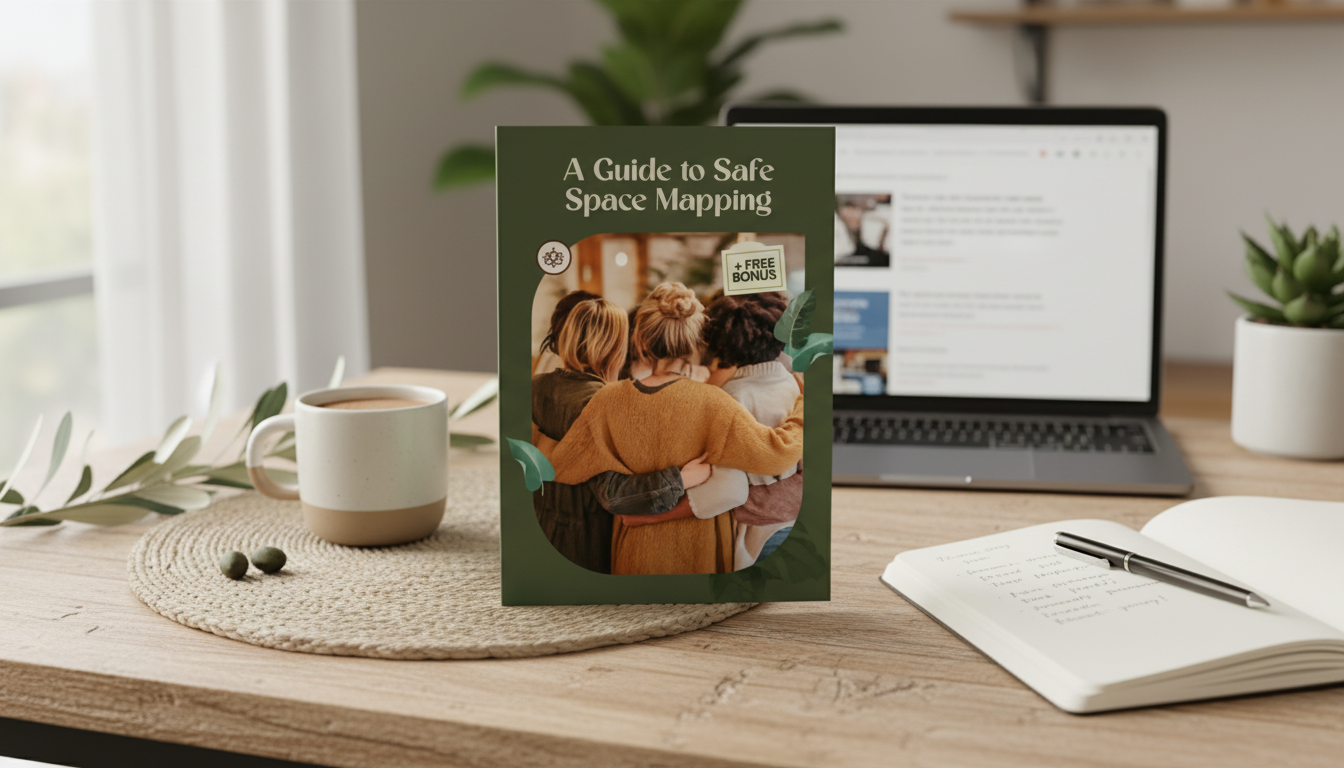
How can parents use safe space mapping with kids without making it overwhelming?
Answer
Safe space mapping works best when it stays simple, visual, and child-led. Start by explaining that a “safe space” can be a place, a person, or an activity that helps their body and brain feel calmer. Then invite your child to help you make a small map together—on paper, a whiteboard, or sticky notes—without turning it into a big conversation.
Keep the first map to three categories: “Places,” “People,” and “Things I Can Do.” Aim for just 2–3 items in each. For places, that might be “my room,” “the reading corner,” or “grandma’s porch.” For people, include adults who are consistently supportive and available. For activities, use concrete choices like “drink water,” “hug a pillow,” “5 deep breaths,” or “listen to one song.”
To prevent overwhelm, set a short time limit (5–10 minutes) and stop while it still feels easy. Let your child choose the format and the names; if they want to call it a “calm map” or “reset list,” go with that. Avoid pushing for explanations—sometimes “because it feels good” is enough.
Make it usable by connecting the map to real-life moments. Practice when your child is already calm: pick one item, try it for one minute, and then check in with a simple question like, “Did that help a little, a lot, or not today?” This turns the map into a tool, not a test.
Finally, treat the map as flexible. Update it weekly or after a change (new school, new babysitter). If something stops helping, cross it off without judgment and add a new option. For a fuller step-by-step approach and examples by age, visit the main article.
FAQ
What are some signs a child is ready to expand their safe space map?
If your child can name one or two calming options and use them with a little prompting, they’re usually ready to add more. Another sign is curiosity—asking for new ideas, wanting to decorate the map, or noticing what helps after a tough day.










Leave a comment