Zero-Waste Packing Checklist for Eco-Friendly Travel
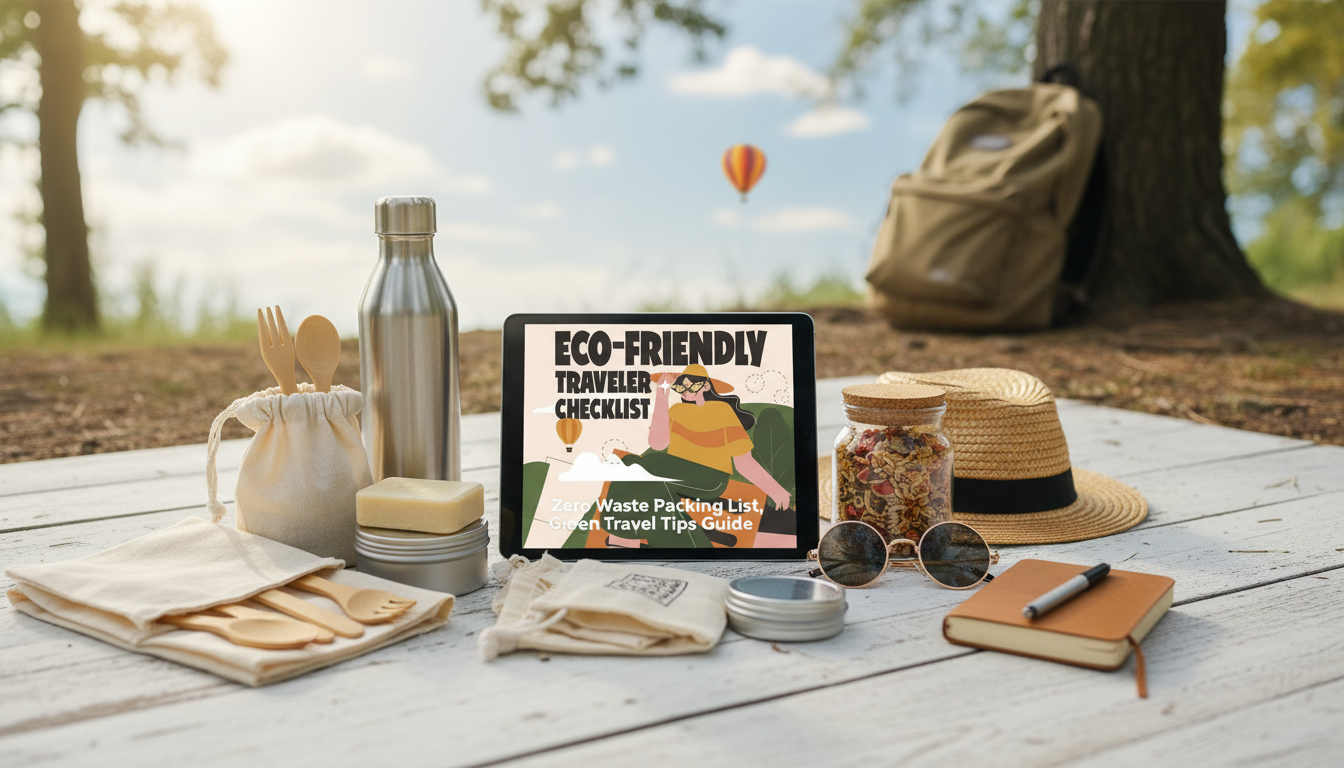
Eco-Friendly Traveler Checklist: Pack Lighter, Waste Less, Travel Better
Sustainable travel often comes down to small, repeatable choices: what goes in the bag, what gets refilled instead of replaced, and what gets reused instead of trashed. A simple checklist removes guesswork, helps avoid last-minute single-use purchases, and keeps low-waste habits realistic on the road—whether the trip is a weekend city break or a long-haul adventure.
What an eco-friendly traveler prioritizes
Eco-friendly travel isn’t about carrying a suitcase full of “green” gadgets. It’s about preventing the most common sources of travel waste and making resource-smart decisions that still feel easy when plans change.
- Bring reusables that prevent common travel waste (bottles, utensils, bags, containers).
- Choose durable, repairable items over disposable or “just in case” duplicates.
- Pack multi-use products to reduce total items and packaging (soap bars, all-purpose balm, scarf as wrap/blanket).
- Refill and re-buy locally when possible to cut transportation and packaging impact.
- Respect destination resources and rules (water use, wildlife distance, protected areas, local customs).
- Plan for proper waste handling: recyclables, compostables (where available), and true trash.
Frameworks like Reduce, Reuse, Recycle (EPA) and the outdoor-focused Leave No Trace principles make these decisions simpler once you start thinking in systems instead of single items.
Zero-waste packing list essentials (the core kit)
This “core kit” covers the biggest waste triggers: drinks, snacks, shopping bags, toiletries, and the random bits of trash that appear when you’re moving fast through airports, stations, and day tours.
- Refillable water bottle (consider a filter bottle for destinations with uncertain tap water).
- Reusable coffee cup or insulated mug for airports, stations, and hotel lobbies.
- Compact utensil set (fork/spoon/chopsticks) and reusable straw if needed.
- Reusable food container for snacks and leftovers; silicone bags work well for liquids and wet items.
- Cloth tote or foldable shopping bag for markets, groceries, and souvenirs.
- Small “waste pouch” for receipts, wrappers, and items until proper disposal is available.
- Solid toiletries (shampoo/conditioner bars, bar soap) to reduce plastic and simplify carry-on rules.
- Travel-size refillable bottles for necessary liquids; label clearly to avoid accidental waste.
- Reef-safe sunscreen and minimal-ingredient skincare to reduce environmental load where regulations apply.
- Quick-dry towel or handkerchief to replace disposable wipes and paper towels.
Quick checklist by category
| Category | Pack | Why it helps |
|---|---|---|
| Hydration | Refillable bottle; optional filter | Avoids single-use plastic and reduces buying on the go |
| Food | Container; reusable cutlery; snack pouch | Cuts takeout waste and prevents impulse purchases |
| Shopping | Foldable tote; small produce bags | Replaces plastic bags and makes local markets easier |
| Toiletries | Bars; refillable minis; bamboo toothbrush | Less packaging and fewer leak-prone liquids |
| Laundry | Soap sheet or small bar; sink stopper | Extends clothing wear and reduces overpacking |
| Tech | Multi-port charger; power strip | One setup for multiple devices, fewer extra adapters |
| Waste | Mini trash pouch; reusable napkin | Keeps litter contained until proper disposal |
For an easy, repeatable setup you can keep on your phone, the Eco-Friendly Traveler Checklist (digital download) is designed to help prevent duplicates, reduce last-minute disposable buys, and make packing feel consistent trip after trip.
Clothing: build a small capsule that actually works
Clothing is where “packing light” and “waste less” overlap. A tighter capsule means fewer panic purchases, fewer laundry loads, and less time managing stuff.
- Start with a color palette (2–3 base colors) so every top matches every bottom.
- Choose quick-dry fabrics and breathable layers to reduce laundry frequency and water use.
- Use the “one warm layer, one rain layer” rule for most climates; add specialty gear only if required.
- Bring a lightweight repair kit (needle, thread, a few safety pins, small tape) to extend garment life.
- Prioritize comfortable walking shoes and pack one secondary pair at most for typical trips.
A small repair kit pays for itself the first time a button pops off or a strap starts to fray—especially in destinations where replacement options are limited or overpriced.
Low-waste toiletries and personal care on the road
Toiletries are a major source of travel plastic because they’re easy to forget and easy to “replace” at the closest convenience store. A few swaps make the whole kit sturdier and less leak-prone.
If travel throws off routines, a simple wellness reset can help you stay consistent with sleep, movement, and recovery without overcomplicating the day. Whole You: Holistic Wellness Guide is a practical companion for building steadier habits before and after transit-heavy days.
Transit and lodging habits that reduce waste fast
Budgeting can also reduce waste: planning a little buffer helps avoid emergency purchases (like overpriced bottled water or last-minute fast fashion). If you like to map spending before you go, Budgeting Like a Pro is a structured way to set limits while leaving room for local experiences.
Destination-smart choices: protect places, support people
For a wider view of what responsible travel can include—especially around resource use and local impact—the UN Environment Programme’s sustainable tourism overview is a helpful reference.
Use a checklist to make sustainable habits automatic
Digital download option for quick packing and repeat trips
If you want a ready-to-use template that’s phone-friendly and simple to print when needed, the Eco-Friendly Traveler Checklist (digital download) is a quick way to keep your low-waste kit organized for every trip.
FAQ
What is an eco-friendly traveler?
An eco-friendly traveler reduces waste and resource use by choosing reusables, packing intentionally, and following local rules that protect ecosystems and communities. It also includes supporting responsible businesses and respecting culture and wildlife—without needing perfection on every decision.










Leave a comment