Vacuum Anxiety in Pets: Calm Training for Dogs & Cats
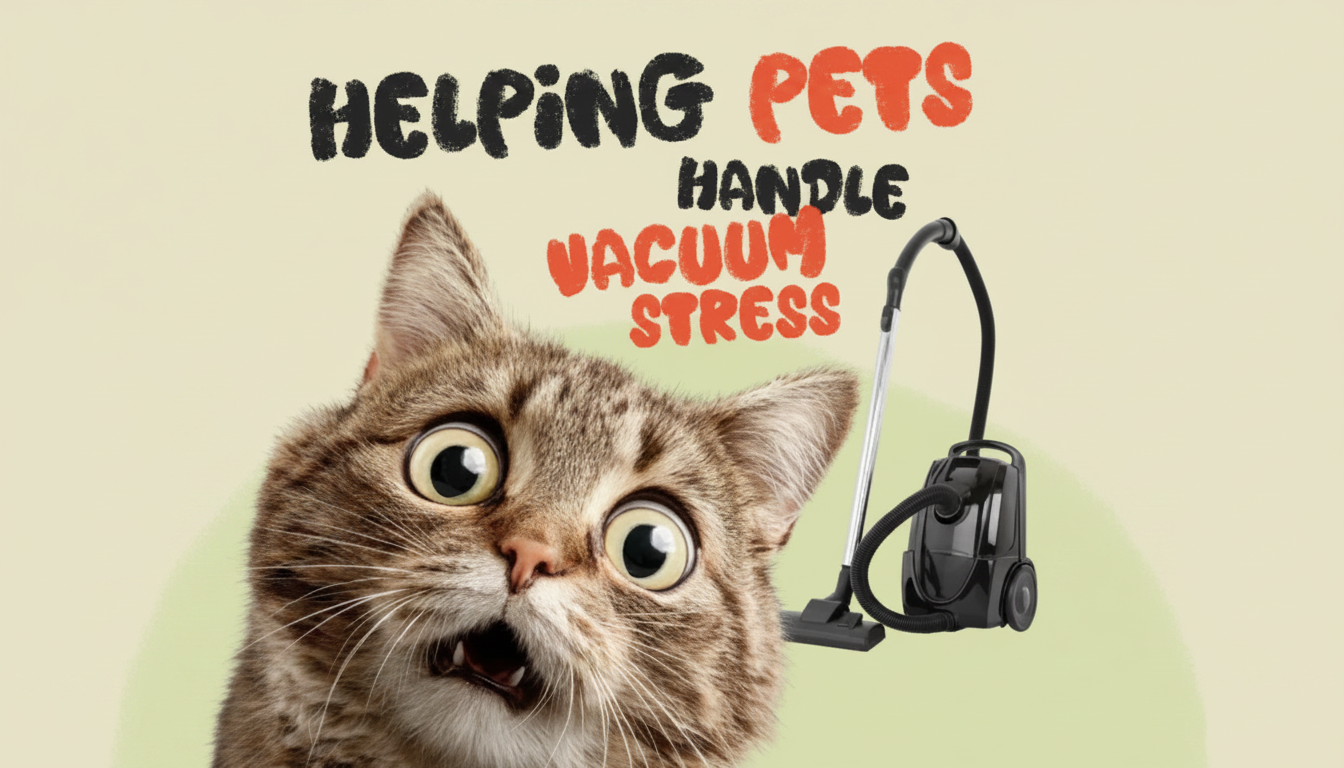
Helping Pets Handle Vacuum Stress: A Calm, Step-by-Step Plan for Dogs and Cats
Vacuum cleaners combine loud noise, sudden movement, and unfamiliar airflow—common triggers for fear in dogs and cats. With a predictable routine, gradual exposure, and a few environmental tweaks, most pets can learn to stay relaxed (or at least neutral) during cleaning days. The goal isn’t to “toughen them up,” but to help them feel safe and in control while the vacuum is around.
Why vacuums feel scary to pets
To a pet, a vacuum can look and sound like an unpredictable predator. Several factors stack together and intensify the reaction:
- Noise sensitivity: high volume and sharp frequencies can be uncomfortable, especially for anxious or noise-reactive pets.
- Unpredictable movement: a large object rolling toward them can resemble a threat.
- Vibration and airflow: floor vibration and the “gust” near the nozzle can startle pets.
- Past experiences: a single scary event (slipping, being bumped, getting cornered) can create a lasting association.
Noise aversion is well-recognized in behavior medicine, and using low-stress, choice-based handling is widely recommended by veterinary behavior organizations such as AVSAB. For additional background on fear responses, the ASPCA’s resources on fear are also helpful.
Set up the space for success before turning it on
Before any training happens, make vacuum day predictable and physically safe. These simple adjustments reduce “panic moments” that can set training back.
- Create a safe zone: a back room, covered crate, or cozy bed area with a chew or food puzzle.
- Use sound buffering: close doors, add a draft stopper, run a fan/white noise, or play calm music.
- Block chase opportunities: use baby gates to prevent frantic following or herding behaviors.
- Check traction: place rugs or runners so a startled pet is less likely to slip while fleeing.
- Keep sessions short: plan quick passes rather than a long, continuous vacuum session.
If your pet is intensely fearful, full separation is often kinder while you work on gradual training later. Many pets benefit from a Fear Free-style approach focused on preventing overwhelm; see Fear Free for additional education on low-stress strategies.
A gradual training ladder (no rushing)
Think “tiny wins,” not big leaps. Each step should feel easy enough that your pet can eat treats, breathe normally, and choose to move away without scrambling.
- Step 1: vacuum off, stationary—let the pet observe from a distance while receiving treats.
- Step 2: vacuum off, moved slowly—roll it a few inches, treat, then stop before the pet becomes tense.
- Step 3: vacuum on in another room—pair the sound with high-value rewards; keep the pet comfortable.
- Step 4: vacuum on at a distance—brief exposure, then end while the pet is still coping well.
- Step 5: normal vacuuming with breaks—continue rewards intermittently, especially at the start and end.
Progress only when body language stays loose: soft eyes, normal breathing, taking treats, choosing to approach or rest. If your pet is too worried to eat, that’s useful feedback that the current step is too intense.
Signs to pause vs. proceed
| Body language | What it can mean | What to do next |
|---|---|---|
| Loose body, eating treats, sniffing, choosing to move away calmly | Coping well | Continue at the same step for a few more repetitions |
| Pinned ears, tucked tail, freezing, scanning, refusing treats | Too intense | Increase distance, reduce duration, or go back one step |
| Barking/lunging at the vacuum, frantic pacing, trying to escape | High stress or defensive behavior | Stop the session, move to a safe zone, restart later with a gentler step |
What to do during vacuuming (real-life routine)
Training is ideal, but homes still need cleaning. A consistent “vacuum routine” helps your pet predict what happens next.
- Run a treat station: scatter small treats in a snuffle mat or on a towel in the safe zone before starting.
- Give the pet a job: a long-lasting chew (dogs) or lickable treat (cats) can reduce stress by promoting soothing behaviors.
- Vacuum in sections: 2–5 minutes on, then a quiet break to reset.
- Avoid cornering: do not vacuum toward a pet or block exits; keep pathways open.
- Stay neutral: avoid soothing in a panicked tone, which can accidentally reinforce worry; instead, reward calm choices.
If your pet is doing better, don’t skip the warm-up. A short “treat station” at the start can prevent backsliding on louder days or during seasonal shedding.
Special considerations for dogs vs. cats
When extra support helps
A simple guide that keeps the plan consistent
- For a structured, step-by-step framework, see Helping Pets Handle Vacuum Stress.
- Pair behavior work with safety basics: if a startled pet bolts, slips, or breaks a nail, quick reference guidance can reduce panic—Must-Know Pet First-Aid Cheat Sheet is designed for fast, at-home decision support.
FAQ
How long does it take for a pet to get used to the vacuum?
Many pets improve in a few days to a few weeks with short, consistent sessions, but noise-sensitive pets or those with a strong past scare may need longer. The pace should be set by relaxed body language, not the calendar.
Should the pet be in the same room while vacuuming?
For very fearful pets, safe separation is usually best during actual cleaning. Gradual exposure works better when your pet can stay at a comfortable distance and leave if they want, rather than being forced to remain nearby.
What if my dog tries to bite or attack the vacuum?
Prioritize safety: prevent rehearsal with gates, a closed door, or a leash, and avoid pushing the vacuum toward your dog. Work on distance plus “go to mat” training, and consider professional help if the behavior stays intense or escalates.











Leave a comment