Holistic Wellness for Beginners: 4 Pillars for Daily Balance
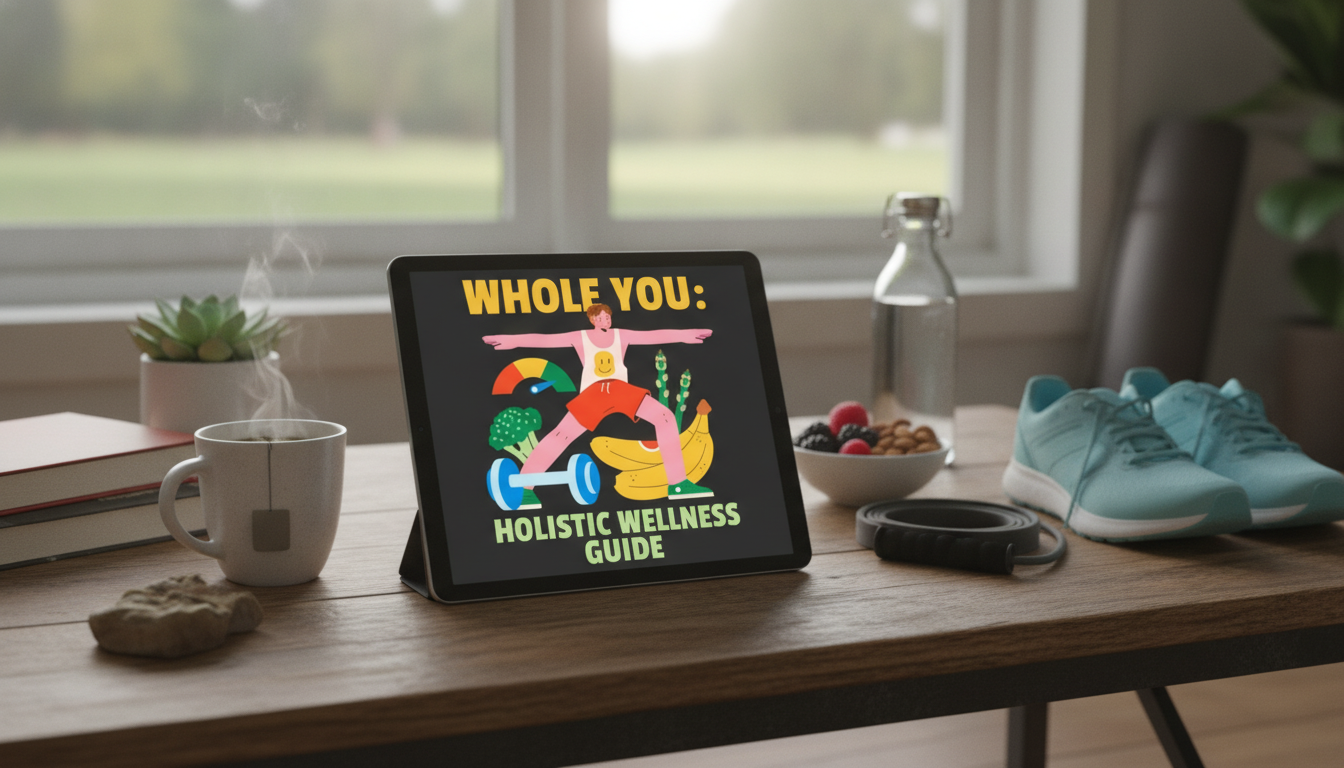
Whole You: A Beginner-Friendly Holistic Wellness Guide for Daily Balance
Holistic wellness supports the body and mind as an interconnected system. For beginners, the most sustainable progress comes from small habits that fit real schedules: steady nutrition, approachable movement, simple mental health practices, and self-care routines that reduce friction rather than add pressure. Below is a practical, week-by-week way to build momentum—plus an option for a structured digital guide that helps keep everything organized.
What “holistic wellness” means (and what it doesn’t)
Holistic wellness is a whole-person approach that considers nutrition, movement, sleep, stress, relationships, and environment together. Instead of chasing intensity, it prioritizes consistency: small changes practiced daily tend to outlast short bursts of motivation.
It also isn’t an “all-or-nothing” lifestyle. Flexibility is part of the system—your routine should bend when life is busy, without breaking. A practical starting point is to choose one habit per pillar, build a simple routine you can repeat, and only then add more.
A simple starting plan: 4 pillars to build your baseline
If you’re not sure where to begin, use four pillars: nutrition, exercise, mental health, and self-care. The goal is not perfection—it’s building a baseline you can return to on hectic days.
Beginner wellness habits you can start this week
| Pillar | 5–10 minute habit | How to make it easier | Simple progress marker |
|---|---|---|---|
| Nutrition | Add a protein + fiber choice to one meal | Keep 2–3 go-to options stocked | Did it 4 days this week |
| Exercise | 10-minute walk or mobility flow | Tie it to an existing cue (after coffee/lunch) | Total minutes moved |
| Mental health | 2 minutes of box breathing | Set a recurring reminder | Stress level before/after (1–10) |
| Self-care | Wind-down routine: lights dim + no screens | Charge phone outside the bedroom | Bedtime consistency |
Nutrition basics without overwhelm
Nutrition gets complicated fast, so start with what reliably supports energy: balanced meals and predictable timing. Build a balanced plate by including a protein, colorful produce, and a satisfying carbohydrate or healthy fat. If long gaps between meals lead to energy crashes (or intense evening cravings), shifting toward steadier meal timing can make the rest of wellness easier.
Hydration is another “quiet win.” Instead of aiming for a perfect number, attach water to predictable moments—after wake-up, with meals, and mid-afternoon. For meal planning, keep it simple: pick 2 breakfasts, 2 lunches, and 2 dinners, then repeat for a week to reduce decision fatigue.
Gentle tracking can help without turning into a chore. Jot down short notes about energy, digestion, cravings, and mood. Over time, patterns stand out—especially when sleep and stress change. For general guidance, the Dietary Guidelines for Americans can be a helpful reference point for balanced meals.
Movement that supports energy, strength, and mood
For beginners, a repeatable baseline beats an ambitious plan you abandon. A common sweet spot is three days per week of intentional movement plus daily light activity. That “intentional” piece can be a brisk walk, beginner strength basics, or a short mobility routine—anything you can do again next week.
A well-rounded week often includes:
- Walking or cycling for heart health and stress relief
- Basic strength (squats, hinges, rows, pushes) to build resilience
- Mobility for joint comfort and easier recovery
Start with the minimum effective dose: 10–20 minutes counts when consistency is the goal. Recovery is part of training—prioritize sleep, plan rest days, and lean on gentle mobility if soreness is high. For evidence-based targets, see the Physical Activity Guidelines for Americans.
Mental health habits that fit real life
Holistic wellness includes your nervous system and your daily stress load. A simple daily check-in can keep you grounded: name the feeling, identify the trigger, and choose the next helpful action (small and specific). Examples: “I’m overwhelmed; inbox is the trigger; I’ll do one 10-minute sort.”
Support systems matter. If stress is persistent or overwhelming, consider reaching out to trusted friends, community groups, or professional help. For a broad overview of mental well-being, the WHO’s mental health resources are a solid starting point.
Self-care that actually restores you
Using a digital wellness guide to stay consistent
If you want an organized start-to-finish framework, consider Whole You: Holistic Wellness Guide (digital download). It’s designed to help beginners map out realistic habits, track follow-through, and adjust routines without starting over.
Daily balance can also be easier when money stress is lower and routines feel predictable. For planning systems that reduce overwhelm, Budgeting Like a Pro (planning routines and reducing money stress) can complement wellness goals by simplifying monthly decisions and freeing up mental bandwidth.
FAQ
How long does it take to notice results from holistic wellness habits?
Energy and mood can improve within days to a few weeks, especially with steadier sleep, hydration, and daily movement. Strength and body composition changes usually take weeks to months, so tracking simple markers (steps, workouts completed, energy ratings) helps you notice progress.
What should a beginner focus on first: nutrition or exercise?
Start with the easiest “keystone habit” that makes other habits easier—often regular meals plus hydration, or a daily walk. Combining one small nutrition habit with one small movement habit is usually more sustainable than going all-in on just one.
Is a digital wellness ebook enough, or is coaching/therapy needed?
A guide can organize routines and help build strong fundamentals, but coaching or therapy may be appropriate for personalized medical needs, injuries, disordered eating concerns, or persistent anxiety/depression. If symptoms feel unmanageable or don’t improve, professional support is a smart next step.











Leave a comment