Pet Travel Checklist: Safe Packing for Dogs & Cats
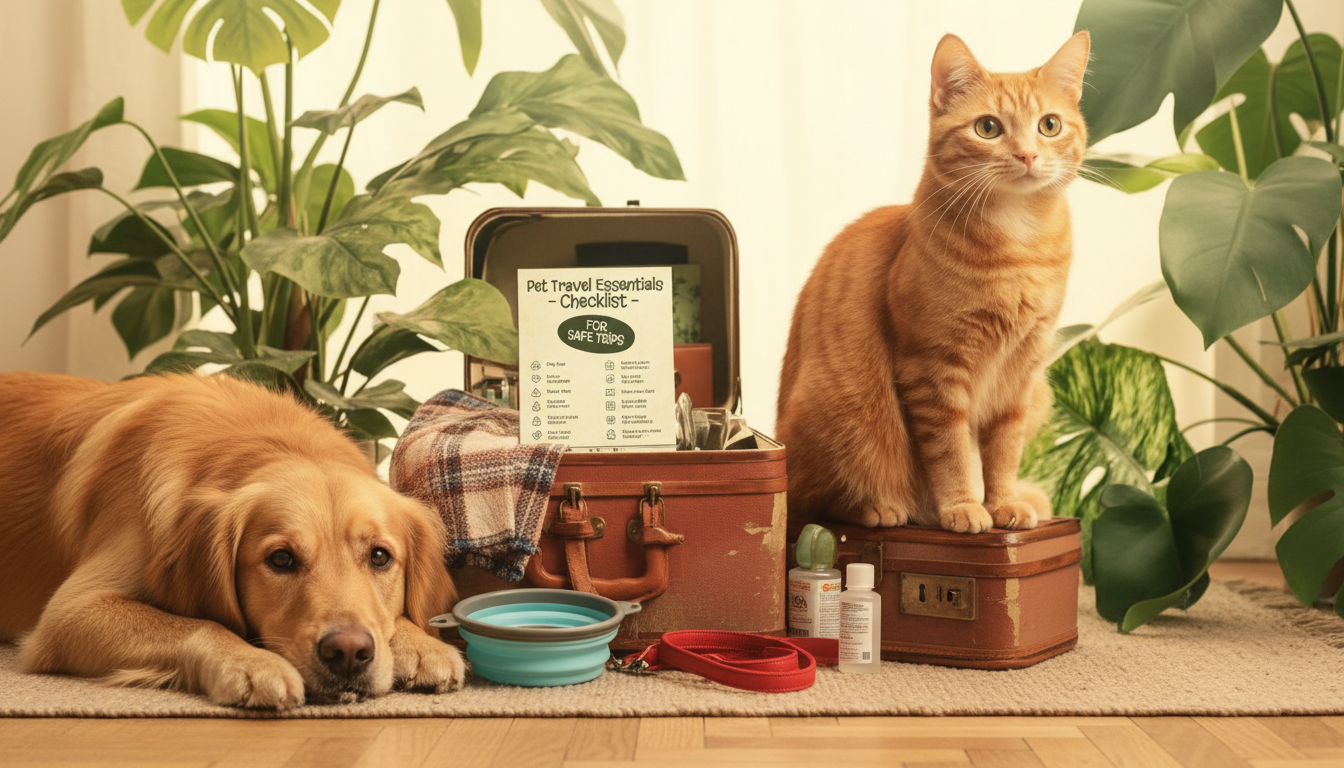
Pet Travel Essentials Checklist for Safe Trips (Dogs & Cats)
A smooth trip with a pet comes down to preparation: the right documents, safe transport, familiar routines, and a packing plan that covers food, comfort, cleanup, and emergencies. Use the checklist below to organize a road trip or vacation day-by-day and avoid last-minute scrambling.
Quick safety essentials to confirm before packing
- Vet check: Confirm your pet is current on vaccines and parasite prevention, and discuss any recent health changes that could affect travel.
- ID and tracking: Collar tag with a current phone number, updated microchip registration, and a few recent photos (full body + close-up).
- Carrier and restraint plan: Use a crash-tested carrier or secured crate; for dogs, a harness with a seat-belt tether. Pets should never ride loose in the cabin.
- Temperature rules: Never leave a pet in a parked car. Plan shaded stops and keep water accessible.
- Motion sickness plan: If your pet drools, vomits, or panics in the car, ask your veterinarian about safe anti-nausea or calming options ahead of time.
Travel documents and planning details that prevent headaches
- Build a travel folder (paper + phone copies): vaccination records, rabies certificate, prescriptions, and your veterinarian’s contact details.
- Confirm lodging rules: pet fees, weight limits, breed restrictions (if any), and whether pets can be left unattended in the room.
- Know your care options near the destination: the closest 24/7 emergency vet, local clinics, and a backup pet sitter or boarding facility.
- Flights or border crossings: check carrier requirements and entry rules early; some destinations require a health certificate within a specific window.
- Share the itinerary: send a trusted contact your route, lodging info, and your pet’s description and microchip number.
For additional official guidance, review pet travel basics from the American Veterinary Medical Association (AVMA) and destination-specific considerations from the CDC.
The printable packing checklist (core items for most trips)
- Food and water: pre-measured meals, one extra day of food, familiar water source (or bottled water), bowls, and a can opener if needed.
- Comfort: familiar blanket/bed, favorite toy, and a “smells-like-home” item to reduce stress.
- Containment: crate or carrier, leash, backup leash, harness, and (optional) a portable gate for rentals.
- Hygiene: waste bags, litter + small tray for cats, paper towels, enzyme cleaner, pet wipes, and a small trash bag roll.
- Health: daily meds, flea/tick prevention, basic first-aid supplies, and any vet-approved calming aids.
- Out-and-about extras: reflective gear, paw protection for hot pavement or rough trails, and a towel for muddy days.
Essential packing list by category
| Category | Must-pack items | Notes |
|---|---|---|
| Safety & containment | Crate/carrier, harness, leash + backup, ID tag | Secure the carrier/crate so it can’t slide; avoid front-seat travel with airbags. |
| Food & water | Food, treats, bowls, water, can opener (if needed) | Bring extra for delays; keep a small “day bag” accessible. |
| Health | Medications, copies of records, first-aid supplies | Store meds in a temperature-stable place; set reminders for dosing. |
| Comfort | Bed/blanket, toy, calming item | Familiar scent helps during hotel stays and new environments. |
| Cleanup | Waste bags, litter kit (cats), wipes, enzyme cleaner, towels | Pack more than expected for long drives and rainy days. |
Printable tools to simplify packing
If you want a single page you can reuse for every trip, keep a dedicated planner with checkboxes and space for feeding/med schedules. The Pet Travel Essentials Checklist for Safe Trips (Printable Planner) helps track what’s packed, what stays in the car, and what must be reachable during stops.
For medical peace of mind, pair it with the Must-Know Pet First-Aid Cheat Sheet (Emergency Printable Guide) so key steps and supply lists aren’t buried in a phone search when you’re stressed.
Car travel routine: stops, feeding, and stress reduction
- Break cadence: Plan breaks every 2–3 hours for dogs. Offer water frequently and keep potty breaks consistent so your pet knows what to expect.
- Feeding timing: Smaller meals are often easier on the stomach; avoid heavy feeding right before driving if motion sickness is an issue.
- Window safety: Don’t allow pets to ride with their head out the window—road debris can injure eyes and ears.
- Keep the cabin predictable: steady temperature, low noise, and minimal shifting of luggage near your pet’s space.
- Arrival routine: At hotels or rentals, do a quick walk/settle first, then set up bed and water in a quiet corner before unpacking.
Cat-specific travel notes (carriers, litter, and hiding spots)
Dog-specific travel notes (restraint, exercise, and public spaces)
Emergency readiness for travel days
The ASPCA’s travel tips are also helpful for thinking through safety at stops and destination routines.
Printable planner option for packing and trip tracking
FAQ
What’s the most important safety item for pets during a road trip?
A properly secured carrier/crate or a crash-tested harness restraint is the biggest safety upgrade. Loose pets can become projectiles in sudden stops and can also distract the driver, so always anchor carriers/crates and use a seat-belt tether attached to a harness (not a neck collar).
How often should stops be planned when traveling with a dog or cat?
For dogs, plan breaks about every 2–3 hours for water and potty needs, with more frequent stops for puppies, seniors, or hot weather. Cats vary—many do better with fewer disruptions—so focus on hydration, calm conditions, and offering a litter option at longer intervals or overnight.
What should be included in a travel folder for pets?
Include vaccination and rabies records, prescriptions and dosing notes, microchip details, and recent photos, plus your veterinarian’s contact info. Add the destination address and the nearest emergency clinic information so you can act quickly if something happens.










Leave a comment