10 Must-See U.S. National Parks: Fast Facts + Guide
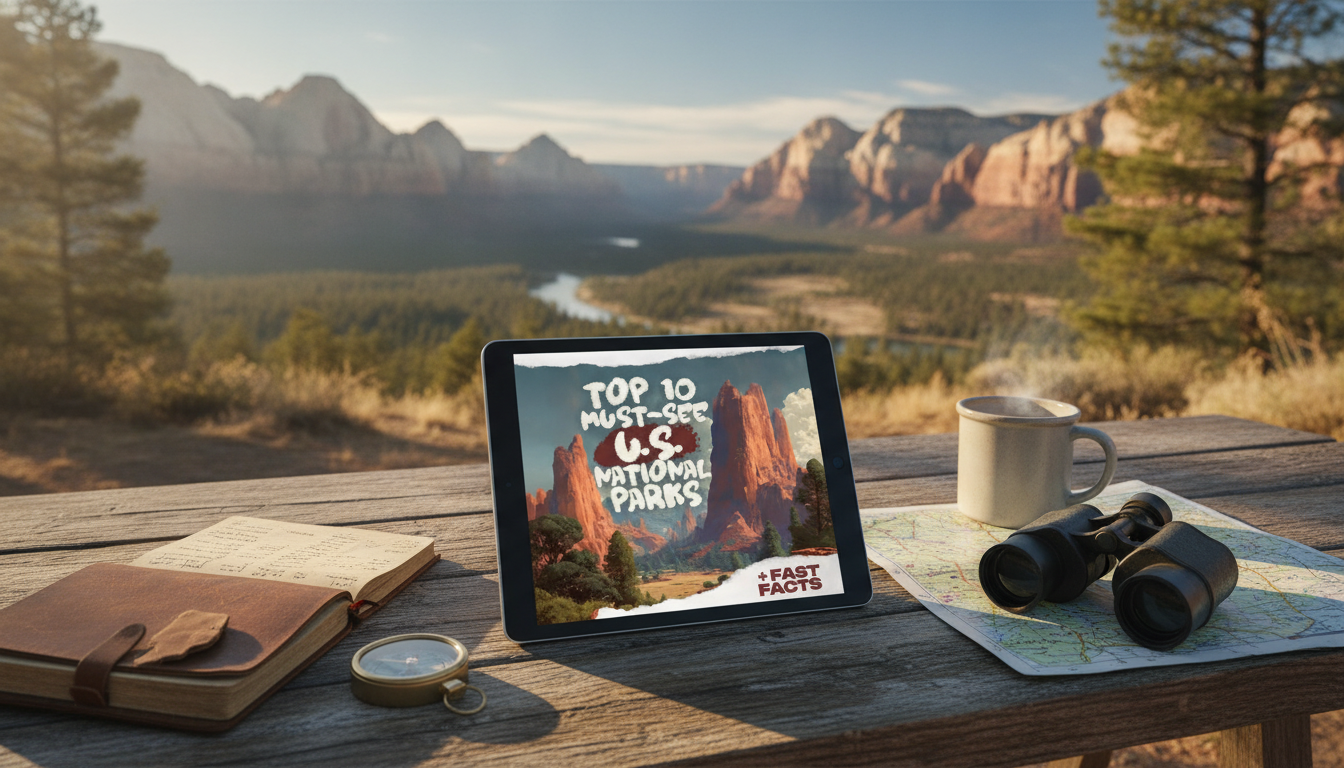
Top 10 Must-See U.S. National Parks: Fast Facts and a Ready-to-Use Digital Travel Guide
America’s national parks cover everything from glacier-carved peaks to desert canyons and coastal rainforests. This guide rounds up ten iconic parks with quick, practical facts—plus planning tips that help hikers and adventure planners choose the right season, trails, and logistics for a smoother trip.
What Makes These Parks “Must-See”
These ten parks earn repeat-bucket-list status because they deliver unforgettable scenery without requiring expert-level logistics.
- Signature landscapes that represent distinct U.S. regions (alpine, desert, canyon, geothermal, coastal).
- High payoff for first-time visitors: standout viewpoints, classic trails, and reliable park infrastructure.
- A mix of easy scenic stops and more demanding hikes for flexible itineraries.
- Strong options for road trips and multi-park loops.
Top 10 National Parks Fast Facts (Snapshot Table)
Use the table as a quick shortlisting tool before building a day-by-day plan. Confirm seasonal road and trail closures before departure, especially in alpine and desert parks.
| Park | Best for | Typical best seasons | Trip style |
|---|---|---|---|
| Grand Canyon | Rim viewpoints, canyon hikes | Spring, fall | Weekend or road trip stop |
| Yosemite | Waterfalls, granite domes, big hikes | Late spring, summer, fall | 3–5 day basecamp |
| Yellowstone | Geysers, wildlife, hot springs | Late spring, summer, early fall | 5–7 day loop |
| Zion | Canyon narrows, cliff trails | Spring, fall | 2–4 day adventure |
| Bryce Canyon | Hoodoos, sunrise/sunset viewpoints | Spring, fall, winter (for snow views) | 1–2 day add-on |
| Arches | Rock arches, short scenic hikes | Spring, fall | 1–3 day desert trip |
| Rocky Mountain | Alpine drives, high-elevation hikes | Summer, early fall | 2–4 day mountain escape |
| Glacier | Lakes, alpine trails, scenic drives | Summer, early fall | 4–6 day outdoors trip |
| Great Smoky Mountains | Forests, waterfalls, family-friendly trails | Spring, fall | 2–5 day road trip |
| Acadia | Coastal views, carriage roads, sunrise | Late spring, summer, early fall | 2–4 day coastal break |
Park-by-Park Highlights to Build an Itinerary
- Grand Canyon: Prioritize rim viewpoints at sunrise/sunset; plan canyon hikes with conservative turnaround times and ample water.
- Yosemite: Mix a valley day (waterfalls and viewpoints) with at least one higher-elevation area if roads are open.
- Yellowstone: Split days by regions to reduce driving; plan wildlife viewing early/late and stay on boardwalks near thermal areas.
- Zion: Start early for popular canyon routes; consider shuttle timing and heat exposure in warmer months.
- Bryce Canyon: Short loops among hoodoos pair well with scenic overlooks; higher elevation can mean cooler temps than nearby parks.
- Arches: Visit delicate features during cooler hours; short hikes add up—plan shade and water.
- Rocky Mountain: Watch for altitude effects; choose one big hike per day and keep backup options for afternoon storms.
- Glacier: Scenic drives and lakeside hikes shine in summer; check ticketing/entry requirements where applicable.
- Great Smoky Mountains: Waterfalls and ridge walks work well for mixed-skill groups; fog and rain are common—pack layers.
- Acadia: Combine coastal walks with carriage roads; reserve time for tides, sunrise viewpoints, and short hikes.
Planning Essentials: Permits, Crowds, Weather, and Safety
- Entry and reservations: Some parks use timed entry, vehicle reservations, or shuttle systems; verify requirements and book early during peak months. For official alerts, fees, and park-specific rules, check the National Park Service website.
- Weather realities: Desert parks demand heat planning; mountain parks require layers and readiness for sudden storms or snow at higher elevations. Get forecasts and hazard guidance from the NOAA National Weather Service.
- Trail readiness: Know distance, elevation gain, and turnaround times; keep extra food, water, navigation, and a headlamp.
- Wildlife etiquette: Maintain distance, never feed animals, and store food properly; carry bear spray where recommended and know how to use it.
- Leave No Trace basics: Stay on durable surfaces, pack out trash, and respect closures protecting fragile habitats. Review the Leave No Trace Seven Principles before heading out.
Packing Checklist for Nature Lovers and Hikers
A Digital Travel Guide That Keeps Plans Organized
- Top 10 Must-See U.S. National Parks + Fast Facts (Digital Travel Guide eBook) — a ready-to-use reference for quick comparisons and trip-building.
- Must-Know Pet First-Aid Cheat Sheet (Printable Emergency Guide) — handy if road trips include a four-legged co-pilot.
- Whole You: Holistic Wellness Guide (Digital Download) — a supportive add-on for travelers building healthier routines on the road.
FAQ
Which U.S. national park is best for a first-time visit?
Pick based on the landscape you’re most excited about and the season you can travel. Yosemite is a classic for waterfalls and big granite views, Zion packs huge scenery into a compact trip, and the Grand Canyon delivers iconic viewpoints even with limited hiking time.
When is the best time to visit the most popular national parks?
Spring and fall are often the sweet spot for comfortable temperatures and lighter crowds, especially in canyon and desert parks. Higher-elevation parks can peak in summer due to road openings, so it’s important to confirm seasonal access and reservation systems before locking plans.
How many days are enough for a national park trip?
For smaller parks or a highlights-focused visit, 1–2 days can work well; many parks feel best with 3–5 days to balance viewpoints and hikes. Huge parks with long drives (like Yellowstone or Glacier) often reward 5–7+ days, and trips feel smoother with a little unscheduled buffer time.











Leave a comment