Budgeting Systems That Work: Zero-Based, 50/30/20 & Debt
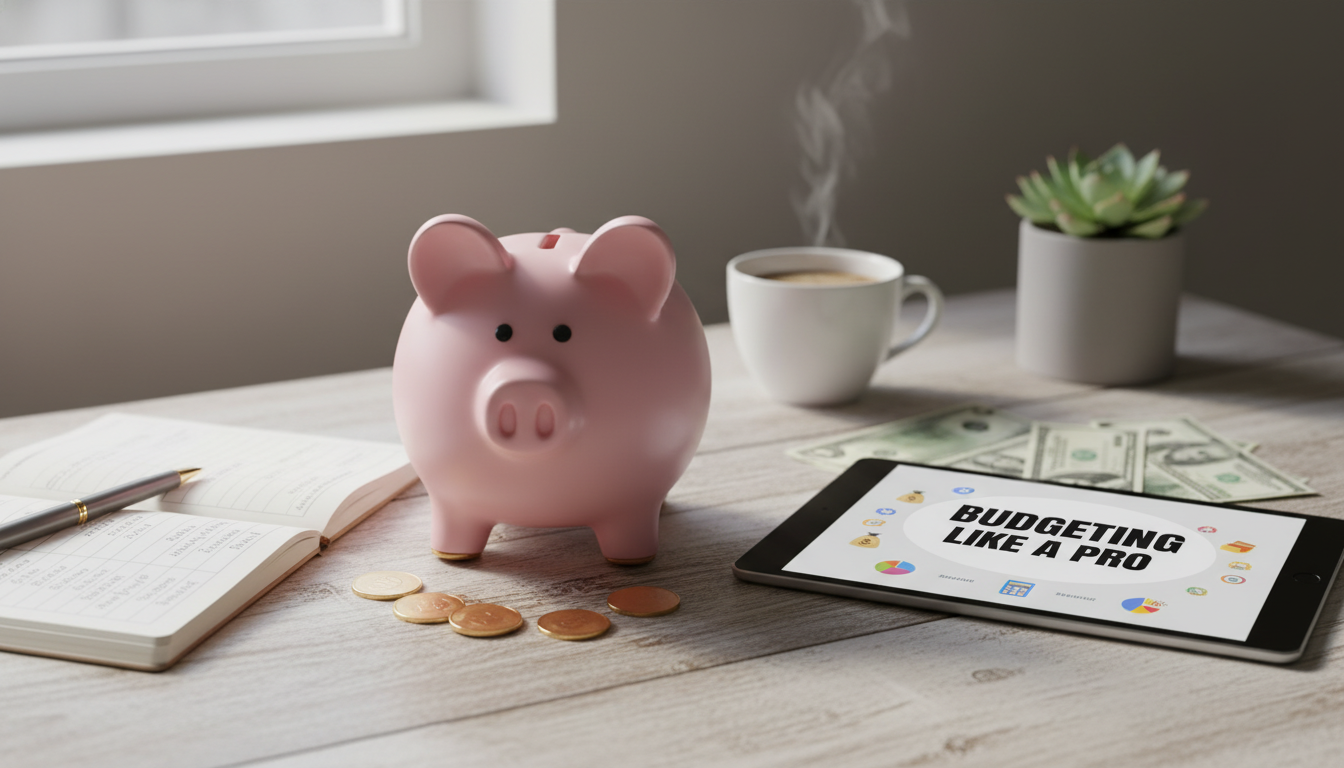
Budgeting Like a Pro: A Practical System for Zero-Based Budgets, 50/30/20, and Faster Debt Payoff
A workable budget is less about willpower and more about having a clear system for every dollar—covering essentials, goals, and the unexpected. The most useful plans don’t demand perfection; they create a repeatable routine that helps money flow to bills, debt, and savings without constant stress. Below is a practical way to choose between zero-based budgeting, 50/30/20, and pay-yourself-first (or blend them), plus a simple roadmap for saving and paying down debt without feeling deprived.
Start with a money snapshot that takes 20 minutes
Before choosing a method, get a fast, factual baseline. The goal is clarity—not a spreadsheet masterpiece.
- List monthly take-home income sources (paychecks, side income, benefits) and note which are fixed vs. variable.
- Pull the last 30–60 days of transactions and group spending into: housing, utilities, food, transportation, insurance, debt, subscriptions, personal, and “one-offs.”
- Identify “must-pay” bills and their due dates; mark anything irregular (quarterly bills, annual fees, car registration).
- Pick one primary goal for the next 30 days (catch up on bills, stop overdrafts, build a starter emergency fund, or reduce a specific debt).
If you want a trusted starting point for categories and habits, the Consumer Financial Protection Bureau’s budgeting resources are a solid reference: https://www.consumerfinance.gov/consumer-tools/budgeting/.
Budgeting methods at a glance (choose based on your biggest challenge)
| Method | Best for | How it works | Watch-outs |
|---|---|---|---|
| Zero-based budgeting | Tight cash flow, variable spending, stopping leaks | Assign every dollar a job until income minus planned expenses equals $0 | Requires regular check-ins; needs a buffer category for surprises |
| 50/30/20 | Stable income, quick structure, getting started | Split after-tax income into Needs 50%, Wants 30%, Goals 20% | In high-cost areas, Needs may exceed 50%; adjust percentages |
| Pay-yourself-first | Building savings consistently, automation, avoiding lifestyle creep | Auto-transfer to savings/investing at payday, then live on the remainder | If debt and bills are behind, savings rate may need a temporary reset |
Zero-based budgeting: the most detailed way to control cash flow
Zero-based budgeting works best when you need visibility and control. It’s especially useful if money feels “gone” before you can explain where it went.
- Set up categories that mirror real life: fixed bills, variable spending, sinking funds (car repairs, gifts), and goals.
- Give every dollar a purpose before it’s spent; include a small “miscellaneous” line to avoid constant reshuffling.
- Use weekly check-ins: compare planned vs. actual, then move money between categories without increasing total spending.
- If income is irregular, budget only what’s already received and prioritize: housing, utilities, food, transportation, minimum debt payments, then savings and extras.
A simple upgrade that makes zero-based budgeting stick: separate “true expenses” into sinking funds (even $10–$30 per payday). Those small deposits reduce the odds that a predictable bill becomes a credit card emergency.
50/30/20: a flexible framework that still protects goals
If you want structure without tracking every receipt, 50/30/20 provides guardrails while still leaving room for a real life.
- Define “Needs” narrowly: rent/mortgage, basic groceries, utilities, required transportation, insurance, minimum debt payments.
- Treat debt payoff above minimums and savings contributions as part of the “20% goals” bucket.
- If Needs exceed 50%, reduce Wants first (subscriptions, dining out, nonessential shopping) and then renegotiate Needs (insurance quotes, phone plan, housing timing).
- Use it as a starting point, then evolve into category-level planning when ready.
In high-cost seasons (rent increases, childcare changes), adjust the percentages instead of quitting. A 60/20/20 split still “counts” if it keeps goals funded and prevents new debt.
Pay-yourself-first: automate savings without complex tracking
Pay-yourself-first is a strong fit when budgeting fails because it feels like constant policing. You decide the savings plan once, automate it, and let the rest be simpler.
- Choose a specific amount or percentage to move automatically on payday into emergency savings, sinking funds, or retirement.
- Pair automation with guardrails: a spending account for variable purchases and a bills account for fixed expenses.
- Start small if needed (even 1–3%) and increase after pay raises or when a debt is paid off.
- Avoid using savings as a “spending buffer” by keeping a separate, smaller checking cushion.
If you’re new to the basics of money management, FDIC’s Money Smart education materials can help reinforce the fundamentals: https://www.fdic.gov/resources/consumers/money-smart/.
Debt payoff plan that doesn’t break the budget
The fastest plan is the one you can keep doing month after month. Build a budget that protects stability first, then aim extra money at the debt strategy you’ll actually follow.
For practical guidance on avoiding scams and choosing legitimate approaches, the FTC’s debt resources are helpful: https://consumer.ftc.gov/articles/getting-out-debt.
Savings plan: emergency fund, sinking funds, and goal-based buckets
A complete planner can make the system easier to stick with
Recommended digital tools (in stock)
- Budgeting Like a Pro: Complete eBook – Personal Finance Planner, Zero-Based Budgeting, 50/30/20, Pay-Yourself-First, Debt Payoff & Savings Plan (Digital, $25.99)
- Whole You: Holistic Wellness Guide | Beginner Wellness Ebook (Digital, $20.99)
- Homework Help Made Easy Toolkit for Parents (Printable guide, $7.99)
Budgeting Like a Pro: Complete eBook planner (what it includes)
FAQ
Is zero-based budgeting better than pay yourself first?
Neither is universally better: zero-based budgeting is ideal for detailed control and tight cash flow, while pay-yourself-first is great for consistent saving through automation. Many people get the best results by automating savings first, then zero-basing the remaining dollars for bills, spending, and debt.








Leave a comment