Holistic Care Explained: Does It Mean Whole-Person?
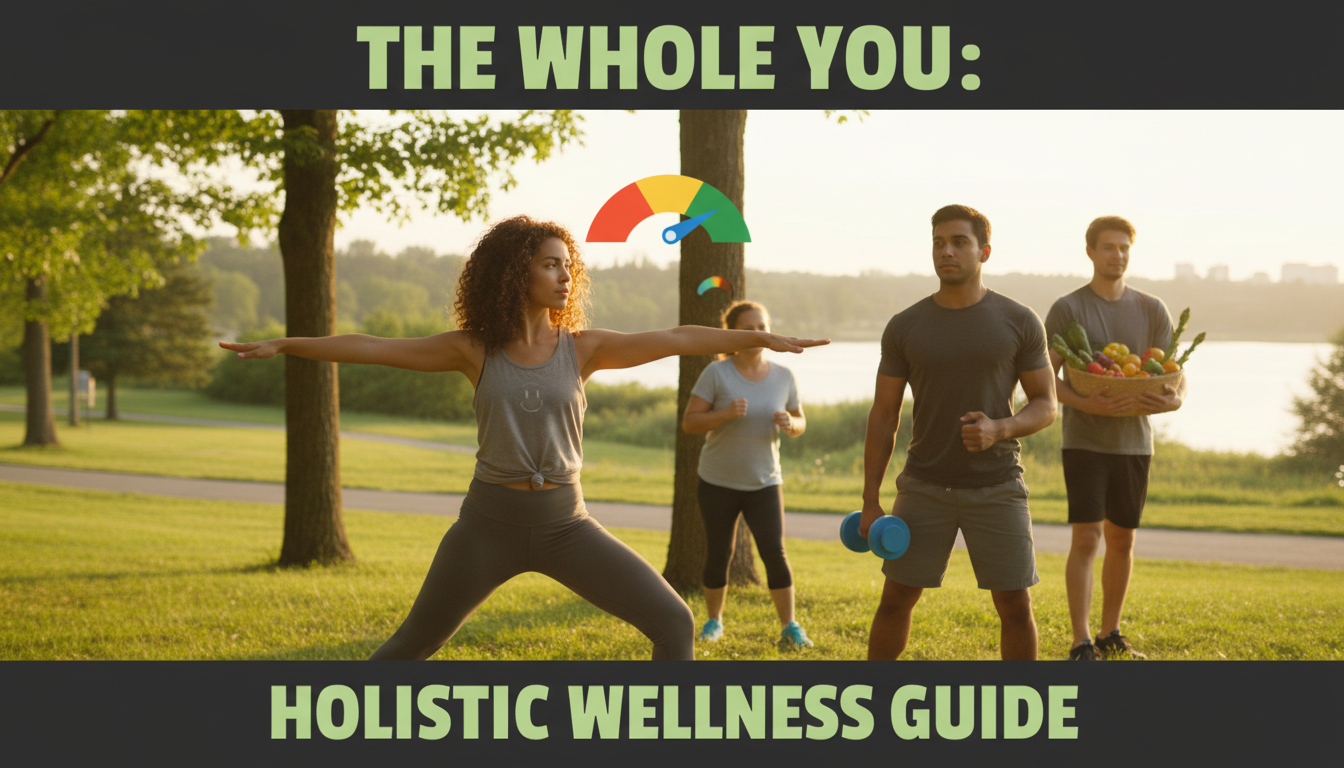
Does holistic mean whole person?
Yes. In most modern health and wellness contexts, “holistic” is used to mean “whole-person” care—looking at how different parts of life and health connect instead of treating one isolated symptom. The idea is that physical health, mental and emotional wellbeing, lifestyle habits, environment, relationships, and even personal values can influence how someone feels and functions.
That said, “holistic” doesn’t always mean the same thing in every setting. In medicine and therapy, it often refers to coordinating multiple factors that affect health (sleep, stress, nutrition, movement, social support) alongside appropriate clinical care. In wellness or alternative health spaces, it may also include complementary approaches such as mindfulness practices, massage, acupuncture, or herbal products. The key point is the emphasis on the full picture of a person’s wellbeing rather than a single body part or a standalone diagnosis.
How “whole person” care shows up in practice
Holistic, whole-person care is usually practical and personalized. Instead of focusing only on a complaint like headaches, a holistic approach might also ask about hydration, posture, screen time, stress load, caffeine intake, vision, sleep quality, and medication side effects. It aims to identify patterns and contributing factors, then combine strategies that work together.
It can also mean aligning care with daily life: realistic routines, preferences, cultural considerations, and long-term goals. Whole-person care doesn’t reject conventional medicine; many people use holistic thinking to complement evidence-based treatment and improve overall quality of life.
What holistic doesn’t automatically mean
“Holistic” isn’t a guarantee that something is natural, safe, or proven. A product can be marketed as holistic without strong evidence behind it. If you’re considering supplements, essential oils, or other complementary methods, it’s smart to check interactions, dosing, and safety—especially if you’re pregnant, managing a chronic condition, or taking prescription medications.
For a deeper dive into how the term is used and what it typically includes, visit the main article on holistic meaning and whole-person care.
FAQ
What is the difference between holistic and integrative care?
Holistic care focuses on the whole person and contributing factors across life and health. Integrative care specifically combines conventional medical treatment with evidence-informed complementary therapies in a coordinated plan.












Leave a comment